
In 2025, the Partnership for Supply Chain Management (PFSCM) continued to play a critical convening role in global health supply chains by bringing together governments, customs authorities, donors, freight forwarders, and suppliers to address persistent challenges in importation, customs clearance, and cross-border facilitation. Across multiple countries and global forums, PFSCM helped stakeholders move beyond isolated problem-solving toward coordinated, system-level improvements that reduce delays, lower costs, and protect the integrity of lifesaving health products.
Why importation and customs clearance matter for public health
In many low- and middle-income countries, public health supply chains are complex and fragmented, particularly at the importation stage. Importation processes—such as export licenses, product registration, tax and duty waivers, and customs clearance—are among the biggest contributors to long delivery lead times. These delays can result in storage fees, detention and demurrage charges, product expiry, and delayed patient access to essential medicines and diagnostics.
PFSCM’s experience shows that these challenges are rarely caused by a single issue. Instead, they arise from a combination of documentation errors, slow waiver approvals, infrastructure constraints, regulatory complexity, and limited coordination among stakeholders.
Recognizing this, PFSCM focused in 2025 on strengthening collaboration across the entire supply chain ecosystem—because importation is not just a logistics issue, but a multi-agency coordination issue involving ministries of health, finance, trade, customs authorities, and private sector logistics providers.
PFSCM’s role as a supply chain orchestrator
As a procurement services agent and fourth-party logistics (4PL) provider, PFSCM operates in a unique “orchestrating” role, coordinating suppliers, freight forwarders, customs clearing agents, and in-country stakeholders. This position allows PFSCM to identify risks early, improve communication across organizations, and ensure accountability across the end-to-end supply chain.
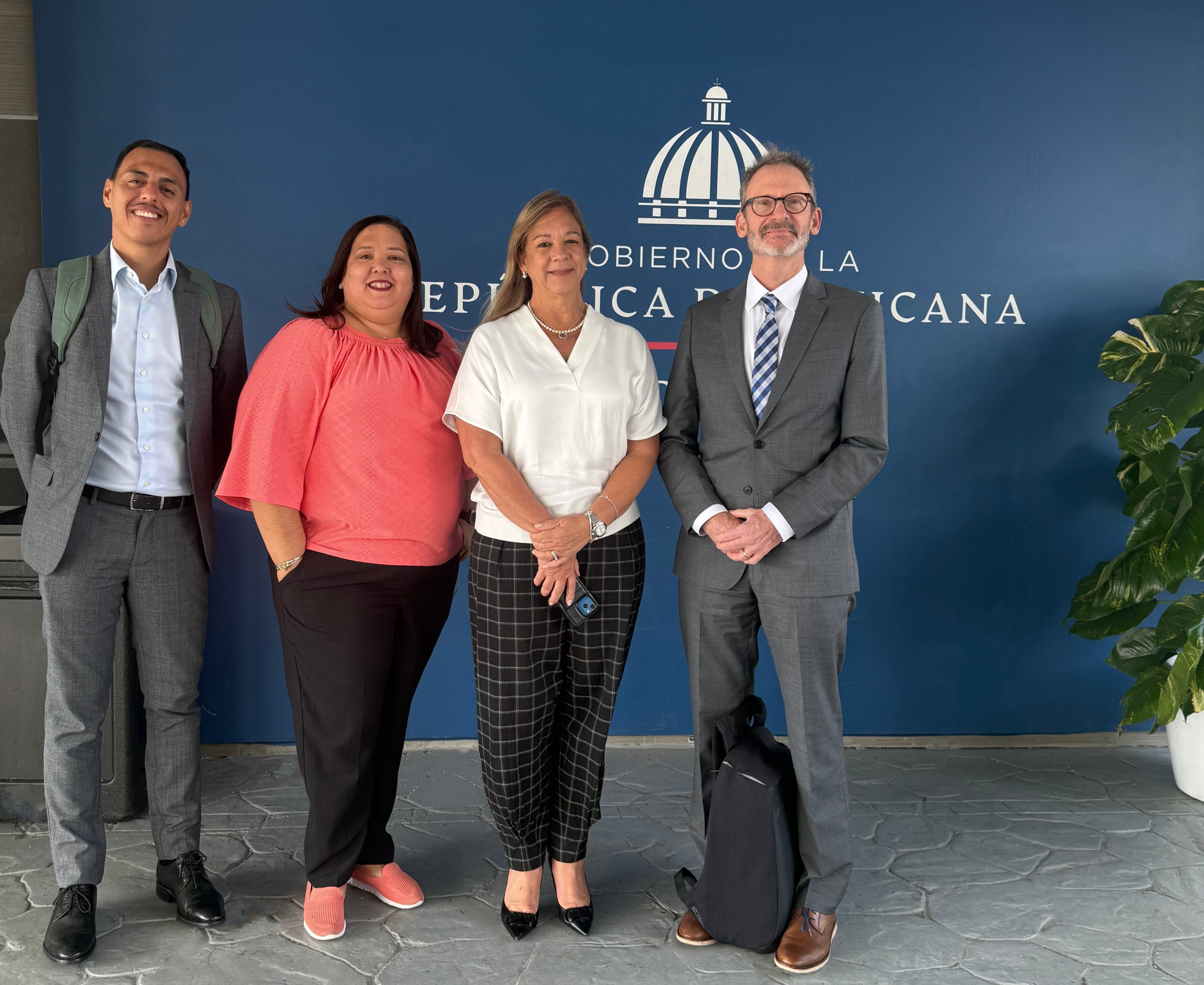
In 2025, PFSCM strengthened this role by participating in global health and logistics forums across Africa, Europe, and the United States, where supply chain stakeholders discussed access to diagnostics, medicines, and health technologies. A key message emerging from these engagements was that resilient health systems depend on strong, transparent, and well-coordinated supply chains—especially at borders.
These forums and country engagements helped align stakeholders around practical solutions to importation bottlenecks and cross-border delays.
Examples of practical interventions
PFSCM’s work in 2025 focused on practical, operational improvements that could be implemented quickly while longer-term policy reforms are developed.
Parallel Processing of Waivers and Shipments One major intervention was initiating tax and product registration waiver processes in parallel with supplier lead times, rather than waiting until products were ready to ship. This approach significantly reduced waiver processing times in several countries and shortened overall delivery lead times.
Direct Exit and Emergency Clearance for Cold Chain Products
For temperature-sensitive health products, PFSCM worked with customs authorities and clearing agents to implement direct exit or emergency removal procedures. Under these arrangements, shipments are released immediately upon arrival and moved to approved cold chain storage facilities while documentation is finalized later. This protects product quality and reduces congestion at ports of entry.
Process Mapping and Stakeholder Coordination
PFSCM worked with stakeholders in multiple countries to map importation processes, identify bottlenecks, and clarify roles and responsibilities. In several cases, this included developing shipping instructions, document checklists, and online trackers to monitor waiver applications and approvals.
Transit Warehousing and Shipment Staggering
To reduce port congestion and container delays, PFSCM implemented transit warehousing solutions and staggered shipments across multiple arrivals. These strategies helped reduce detention and demurrage charges and improved warehouse receiving capacity.
Digital Tools and Data Visibility
PFSCM also expanded the use of digital tools, including product information management systems and shipment tracking platforms, to improve documentation accuracy, load optimization, and shipment visibility. These tools help stakeholders make faster decisions and prevent delays caused by incorrect or incomplete documentation.
Together, these interventions demonstrate that improving importation processes requires both technical solutions and strong collaboration among stakeholders.
Focus area: genomic sequencing supply chains
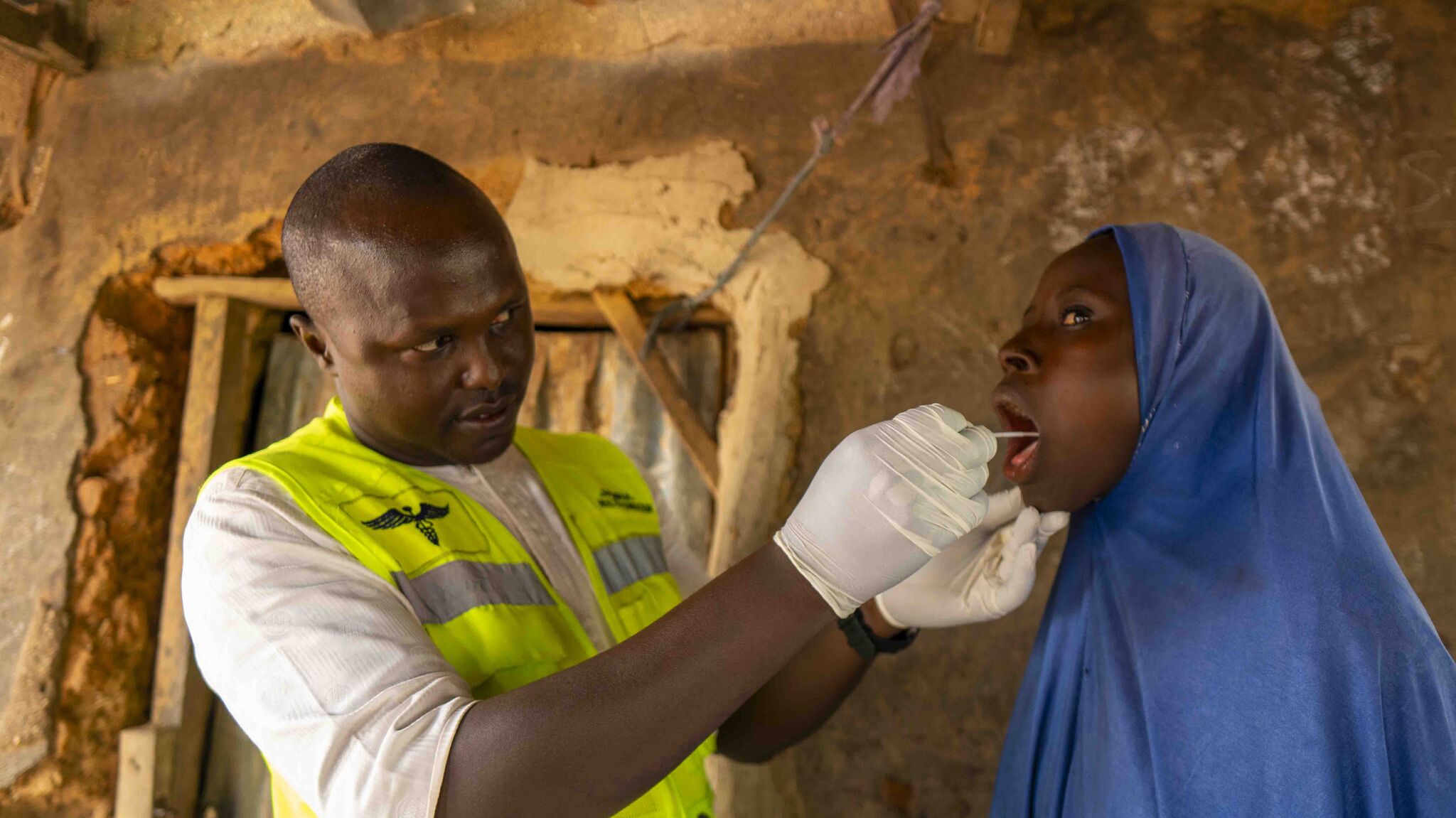
A key focus area in 2025 was improving importation processes for genomic sequencing and surveillance products. Genomic sequencing plays a critical role in public health by enabling countries to detect and monitor pathogens, respond to outbreaks, and strengthen pandemic preparedness. However, the supply chains for sequencing are complex and often fragmented, particularly in Africa.
Genomic sequencing products—especially reagents—present unique importation challenges. These products are often cold chain, have short shelf lives, and are sometimes classified as chemicals rather than medical supplies, which can complicate customs clearance and increase duties and taxes. Regulatory requirements vary across countries, and inconsistent classification and approval processes can lead to delays that risk product spoilage and interrupt surveillance programs.
In response, PFSCM worked with stakeholders to identify key lessons and solutions, including:
- Improving demand planning and forecasting to reduce emergency shipments.
- Standardizing workflows to reduce the number of items required.
- Training customs officers and port staff on the classification and prioritization of public health products.
- Developing national importation reform roadmaps.
- Improving coordination among ministries of health, finance, customs, and logistics providers.
- Investing in digital systems for customs declarations and shipment tracking.
These efforts highlight the importance of cross-sector collaboration in building resilient supply chains for advanced diagnostics and surveillance technologies.
Collaboration as the path forward
Across PFSCM’s work in 2025, one theme emerged consistently: importation challenges cannot be solved by one organization alone. They require coordinated action across governments, donors, suppliers, logistics providers, and customs authorities.
PFSCM’s role as a neutral procurement and logistics partner allows it to bring these stakeholders together, facilitate dialogue, and help implement practical solutions that improve supply chain performance. By strengthening communication, improving documentation processes, leveraging digital tools, and supporting policy reform, PFSCM helps countries reduce delays, lower costs, and ensure that lifesaving health products reach patients faster.
As global health programs continue to expand access to diagnostics, medicines, and new technologies such as genomic sequencing, efficient cross-border trade and importation processes will remain a critical component of health system resilience. PFSCM’s work in 2025 demonstrates that with the right partnerships, planning, and coordination, even complex importation challenges can be addressed—and access to lifesaving health products can be accelerated.