HIV procurement and supply chain services
Driving efficiencies to ensure HIV service continuitySupply chains play a crucial role in the fight against HIV by ensuring the reliable and efficient delivery of health products to support HIV prevention, treatment, and care programs. A strong supply chain improves access to essential medications, diagnostic tools, and other healthcare products necessary to combat the HIV epidemic. This ultimately helps organizations ensure that lifesaving HIV products reach the communities and individuals who need them. At PFSCM, we are dedicated to strengthening health supply chains ensuring that essential HIV products are affordable and easily accessible to those in need.
PFSCM’s HIV capabilities
Access to leading HIV pharma and diagnostic suppliers: we have access to all major prequalified suppliers of HIV diagnostics. Most of the suppliers are already onboarded with PFSCM, and we have Indefinite Quantity and/or Long-Term Contracts with many of them, including several generic antiviral manufacturers.
Cost-saving packaging & Multi-Month Dispensing innovations: we have worked closely with major pharmaceutical suppliers to initiate cartonless packing and multi-month dispensing of antiretrovirals for our clients. By eliminating the secondary packaging and pooling orders, more treatments can be shipped in the same amount of space, thereby reducing freight costs and the overall total landed cost.
Flexible, value-for-money equipment procurement: we help buyers to access the most suitable, value-for-money procurement options for equipment. This may include outright purchases, hybrid agreements, or all-inclusive agreements. We have also successfully facilitated rental agreements enabling countries to sustainably access the latest diagnostics technology.
End-to-end equipment rollout management: with our partners, we oversee full procurement and delivery projects for extensive equipment rollouts. This may include storage, distribution, site preparation, installation, training, maintenance and service agreements, warranties, and/or extended warranties.
Trusted cold chain management: we fully manage the cold chain for time and temperature-sensitive reagents that need frequent replenishment. In 2023, PFSCM had zero insurance claims for cold chain shipments.
Advanced sequencing procurement for HIV drug resistance: we have extensive experience procuring and delivering Next-Generation Sequencers used to monitor HIV drug resistance in a population. We work closely with suppliers to ensure countries can access the best pricing for these advanced machines.
Comprehensive solutions for HIV co-infections: We also procure a wide range of products to diagnose and treat HIV co-infections like tuberculosis (TB), human papillomavirus, and Hepatitis B and C. In addition to a wide range of molecular diagnostics (analyzers), we also offer medical imaging equipment to detect TB.
Our services that help HIV programmes
PFSCM’s supply chain expertise ensures the availability, affordability, and quality of HIV products, addressing accessibility challenges in low- and middle-income countries.
Product QA
Strategic sourcing
Procurement services
Logistics services
Products for HIV
PFSCM offers a range of essential HIV and coinfection products, including:
- Antiretrovirals
- Condoms
- Essential medicines
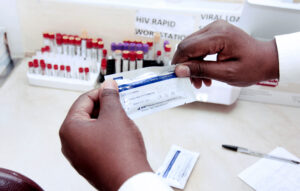
- HIV rapid diagnostic test kits (HRDTs)
- Kits for Voluntary Male Medical Circumcision
- Laboratory equipment, reagents, and consumables
- Molecular diagnostics, including point-of-care (PoC) and near PoC for HIV Viral load (VL) testing and early infant diagnosis (EID)
- Medicines to prevent tuberculosis
- Medicines to treat opportunistic and co-infections like Hepatitis B and C
- Medical supplies and equipment
- Pre-exposure prophylaxis (PrEP)
These products are essential in the fight against HIV and are delivered with a focus on quality and cost-effectiveness.

PFSCM’s integrated supply chain offering
These products are essential in the fight against HIV and are delivered with a focus on quality and cost-effectiveness.
- Strategic sourcing
- Forecasting and supply planning
- Transactional procurement
- Logistics and inventory management
- Quality Assurance
- Preparedness, rapid response and surveillance
- Project management
- Financial management
- Information and data management

Where we came from
PFSCM is a nonprofit organization that was established in 2005 with a mission to combat the HIV epidemic. In the early 2000s, some 30 million people were infected with HIV on the African continent alone, and only about 50,000 had access to treatment. Patients were dying at alarming rates, and the cost to treat a single patient was up to $10,000 per year. At the height of the global AIDS crisis, many of the hardest-hit countries lacked the public health supply chain infrastructure to rapidly and effectively respond to the situation. Systems were challenged by frequent stockouts, overstocking, expiries, and wastage.
PFSCM implemented a project of the US President’s Emergency Plan for AIDS Relief (PEPFAR). The project grew into one of the world’s largest public health supply chains and is still operational to this day. PFSCM managed this program for over a decade, delivered more than $2.8 billion in healthcare products to 66 PEPFAR-supported countries, and managed the procurement and distribution of over 18,500 deliveries.
In 2016, 5.7 million people in developing countries received direct lifesaving ARV treatment, and the cost of drugs to treat a single patient dropped to $110 per year. In the same year, the project provided more than 70% of all PEPFAR-funded medicines. The project delivered more than 250 million HIV tests to high-prevalence countries, helping millions of people determine their status.
By 2017, the ceiling price dropped to $75 per person per year, and in 2023, through its competitive tenders, the Global Fund to Fight AIDS, Tuberculosis and Malaria, together with its partners and generic pharmaceutical manufacturers, agreed on a 25% price reduction tenofovir disoproxil, fumarate, lamivudine and dolutegravir. The agreement has brought the price for this first-line HIV treatment down to under $45 per person per year for the first time.
The project changed the public health supply chain landscape in several ways.
- By securing approval to use generic ARV medicines, the project helped lower the average cost of ARVs from $1,500 per patient per year to an affordable $100 to $200.
- The project virtually eliminated central-level stockouts of HIV commodities in PEPFAR-supported countries.
- Using strategic stock of ARVs in three regional distribution centers and leveraging relationships with suppliers, the project became an emergency responder of choice.
- The rate of expiry in the project’s regional distribution centers was exceptionally low, at 0.73 percent, compared to the developed world pharmaceutical industry standard of between three and seven percent.
- The project helped build platforms to plan, procure, warehouse, and distribute the large volume of commodities required for testing, care, and treatment.
- The project supported national strategies and strengthened supply chain capacity in 21 countries.
- The project maximized the use of safe, reliable ocean freight for major shipments of ARVs and other key products, saving more than $176 million in shipping costs over its lifetime.
Where we are now
Our commitment to strengthening supply chains, empowering communities, and ending inequalities related to HIV/AIDS is evident in our ongoing efforts to make essential HIV products more accessible and affordable.
Since 2019, across all projects, PFSCM has facilitated the delivery of tens of thousands of shipments of HIV and co-infection prevention, testing, and treatment products valued at a couple of billion USD to clients in more than 100 countries.
We have proven experience in managing cost-effective procurement and delivery mechanisms for high-volume products like ARVs and HRDTs, and we have supported clients with pooled procurement, multi-month dispensing, carton-less packaging, and warehousing solutions for these pharmaceuticals and medical devices.
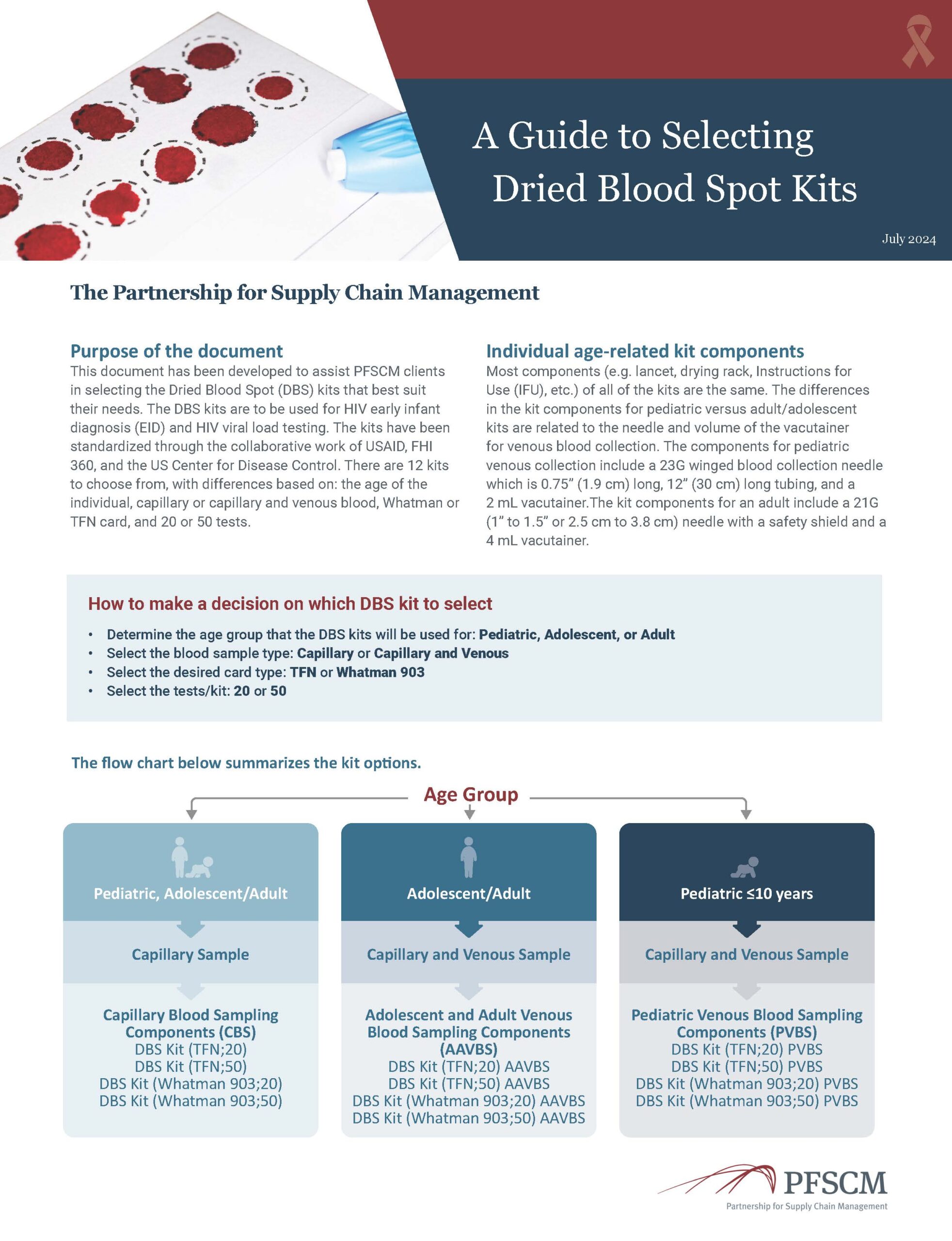
Today, our offering includes all the products to ensure effective HIV health service delivery. From dried blood spot kits in easily configured bundles to equipment like CD4 machines used to monitor HIV viral load and Next Generation Sequencers used to detect drug resistance, we offer complete solutions, including the consumables and reagents needed for daily operation. Beyond these products, we also supply medical waste systems required to dispose of unavoidable waste generated during HIV testing procedures effectively.
PFSCM clients

UNAIDS EECA
(2019 – ongoing)
In 2019, PFSCM supported UNAIDS Eastern Europe and Central Asia (EECA) to identify and contract an affordable, reliable supplier for quality HIV recency tests — an important component of a research-only HIV recency testing programme in the region. PFSCM manages the full supply chain logistics, ensuring delivery from the supplier to in-country destinations across six countries: Armenia, Belarus, Kyrgyzstan, Kazakhstan, Moldova, and Tajikistan. A recency test determines whether an HIV infection is recent (less than six months), enabling national reporting systems to identify new transmissions with precision. By helping countries distinguish recent from long-term infections, recency testing reveals where and among which populations HIV is actively spreading. This data — on timing, location, and risk factors — underpins evidence-informed HIV prevention strategies and more effective allocation of resources.

Dominican Republic
(2009 – ongoing)
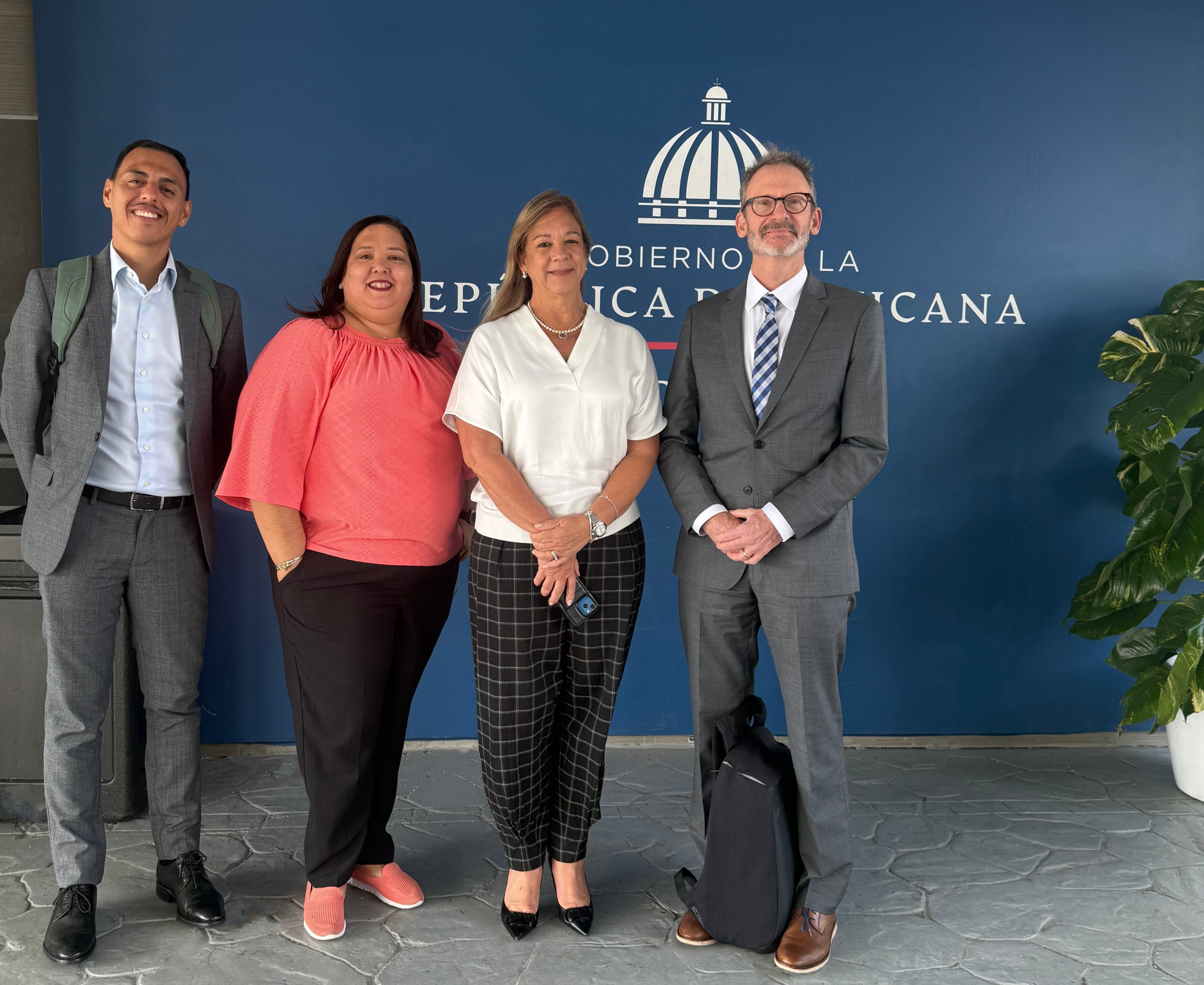
PFSCM has served the Ministry of Health of the Dominican Republic (DR) for more than 10 years delivering more than $45 million worth of HIV products. PFSCM has helped the country to access and maintain a reliable supply of affordable quality-assured ARVs for its HIV programs. It was through these programs that PFSCM was able to provide the DR with technical assistance and in-country logistics services, which helped the MoH improve its downstream distribution and plan for and adopt cartonless packaging and multi-month dispensing of ARVs for patients meeting the treatment criteria. The three to six month dispensing method reduced clinic visits and patient burden, improved ARV adherence and retention, resulted in 10% cost savings on product value and decongested health facilities. Cartonless packaging further les to a 35% to 45% reduction in volume, lowering costs and CO2 emissions.
New Horizons Collaborative
(2014 – ongoing)
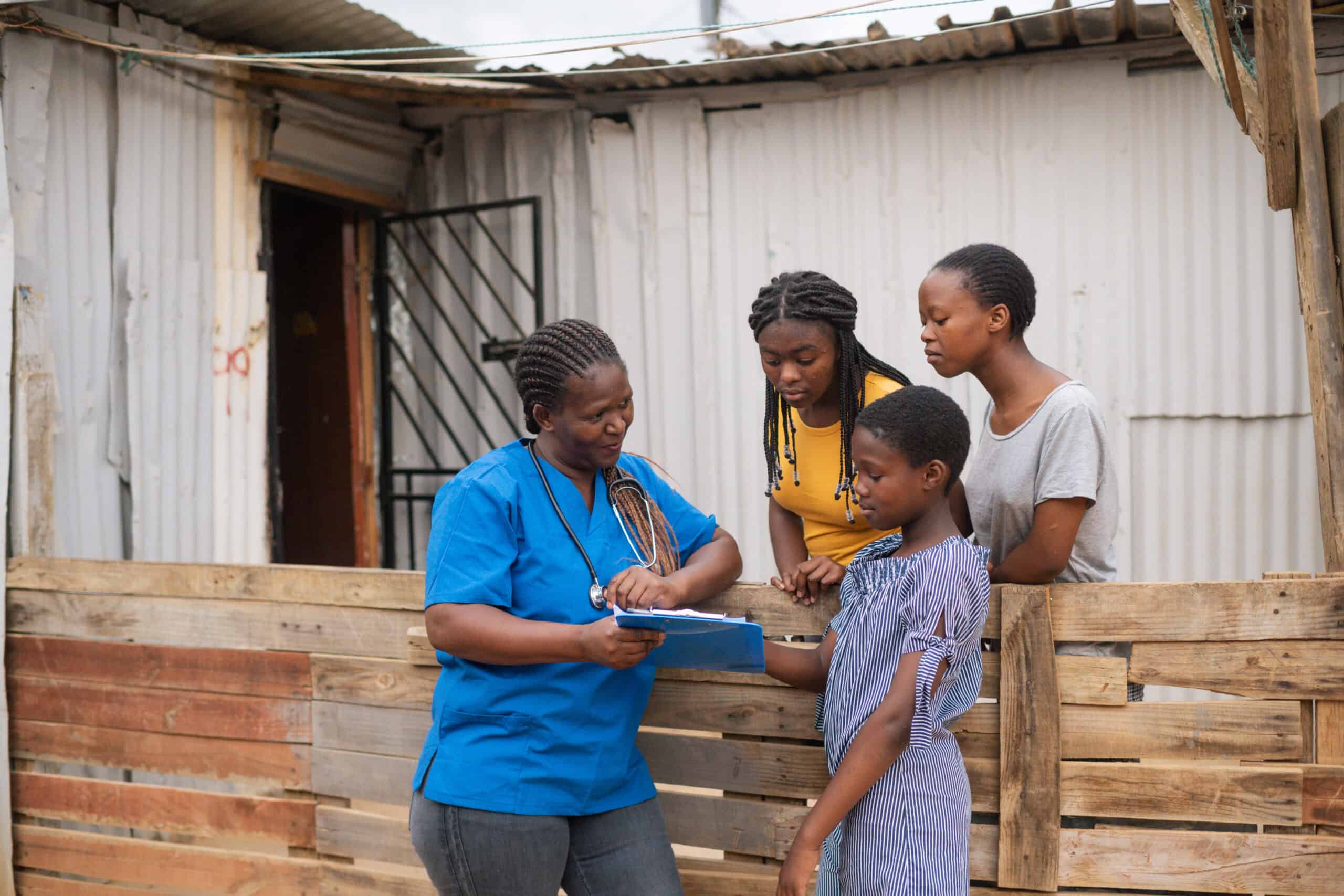
PFSCM plays a central role in the New Horizons: Advancing Pediatric HIV Collaborative, managing forecasting, validation, fulfillment, and end-to-end logistics to ensure donated pediatric HIV medicines reliably reach recipients in ten Sub-Saharan African countries. Established by Janssen in 2014, the initiative expands access to lifesaving third-line antiretrovirals for adolescents and children while strengthening public health systems. PFSCM supports the project with an effective access strategy and channel management services, including precise demand forecasting, coordinated ordering, and secure delivery of products such as Prezista and Intelence. Working with affiliates, PFSCM also conducted in-country supply chain monitoring to identify gaps, set performance targets, and guide sustainable improvements through tailored Technical Assistance plans.
Related






Sign up to receive public health supply chain news from PFSCM

All content ©2026 Partnership for Supply Chain Management, Inc. All rights reserved.