PFSCM: 20 years of improving access to lifesaving health products

PFSCM was established to rapidly scale up the world’s largest public health supply chain project to fight HIV.

In the first year of managing SCMS, PFSCM, and partners made rapid progress in establishing warehouses, offices, and delivering complex laboratory products.

SCMS’s switch from branded to generic ARVs saved the program $149 million in procurement costs.

PFSCM was selected as PSA for the Global Fund’s Voluntary Pooled Procurement (VPP) and as a service provider to the Global Drug Facility.

Five years into the SCMS program, it had achieved several milestones and was recognized for its innovation and efficiency.

SCMS contributed to saving lives through a variety of voluntary prevention, counseling, testing, treatment and care programs. By 2011, more than 3.9 million people received lifesaving treatment.
By 2012, PFSCM had procured more than $1.7 billion worth of health products and delivered more than 15,000 shipments across all clients and projects.

PFSCM’s contract with the Global Fund is extended through a second contract, and the VPP became the Pooled Procurement Mechanism (PPM).

PFSCM’s Quality Management System, which was established in 2005, matured, earning ISO 9001:2008 status.

By 2016, PFSCM’s partnership with the Global Fund had deepened, and our client base had expanded to include PrEP and malaria programs.

PFSCM’s QMS advances to ISO 9001:2015, and we oversee several complex projects: procurement, QC, and reverse logistics of Indoor Residual Spraying used to prevent malaria.

By 2018, PFSCM had procured more than $6.2 billion worth of health products and delivered more than 27,000 shipments across all clients and projects.

PFSCM was awarded its third PSA contract for Global Fund’s PPM, and celebrated 10 years of serving the Dominican Republic.

Despite COVID-19 disruptions, PFSCM was able to maintain service delivery and even excelled in the prequalification, procurement, and delivery of a wide range of COVID-19 products.

PFSCM rapidly developed a portfolio of NGS products to help countries strengthen their laboratory capacity, which is crucial for pandemic readiness.
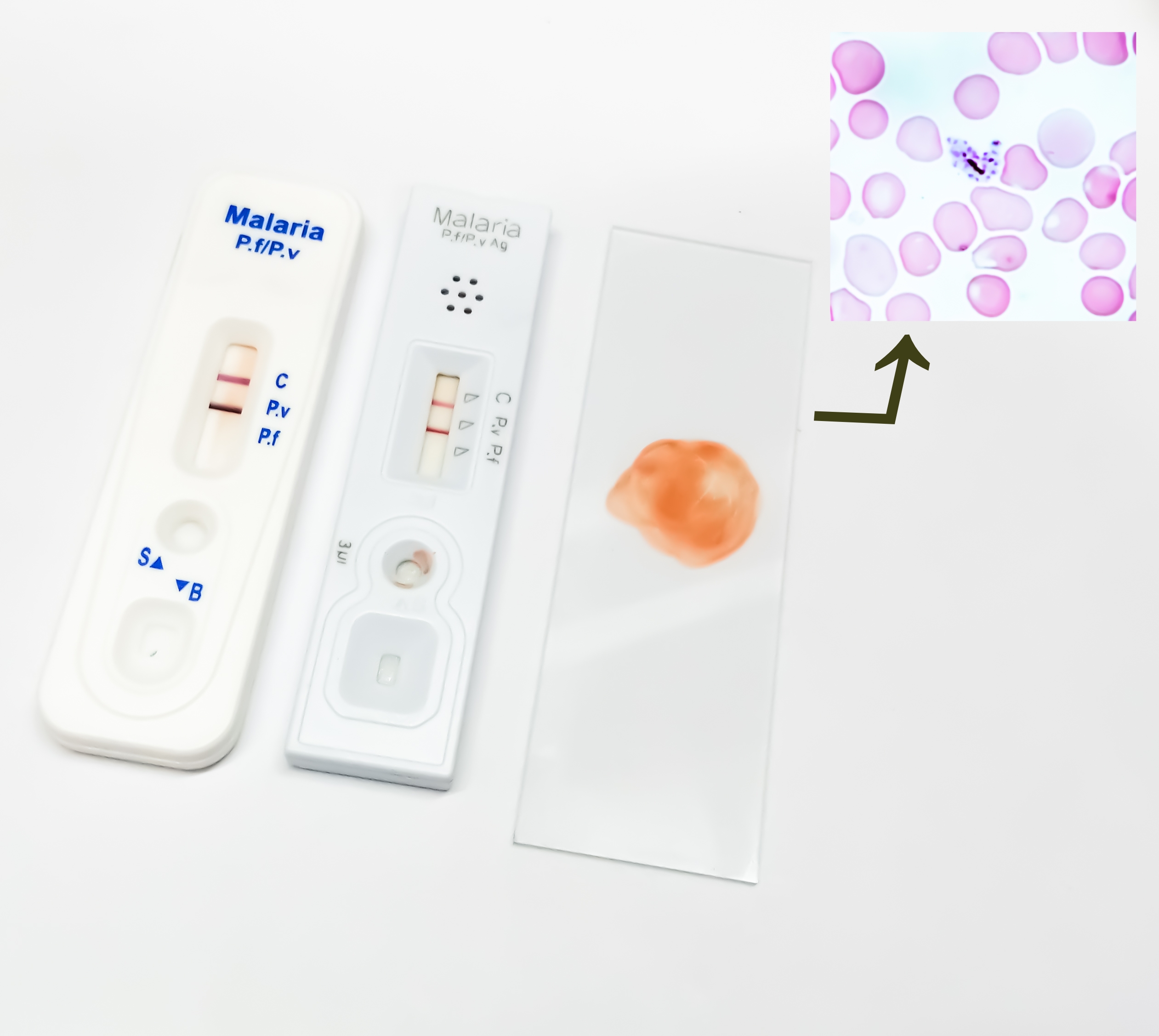
PFSCM secured two new clients, one in the malaria treatment sector and another in the contraceptives sector.

PFSCM joins the Alliance for Transformative Action on Climate and Health. Our procurement process aligns with ISO 20400:2017, and we published our first sustainability report.

PFSCM launched a secure digital catalog and ordering platform for streamlined procurement of lifesaving health products.

PFSCM exceeds $8.3 billion in lifesaving health products delivered in more than 54,000 shipments to 98 countries.

On a mission to help end HIV
PFSCM grew out of one of the most challenging moments in global health, the height of the HIV crisis. Countries needed not just products, but systems they could depend on, and they needed them rapidly and on a large scale. Over the years, PFSCM has helped strengthen these systems by reducing costs, improving availability, minimizing waste, and establishing reliable mechanisms that enhance health outcomes.
Did you know? The President’s Emergency Plan for AIDS Relief (PEPFAR) Supply Chain Management System, also known as SCMS, was managed by PFSCM for 10 years.
Rapid progress in infrastructure and delivery
Just one year into the SCMS project, PFSCM and partners:
- Established the first regional distribution center (RDC) in Ghana, opened the first SCMS country offices in Guyana and Haiti, and delivered $1 million worth of laboratory products.

Bringing product closer to demand
In addition to saving costs through the use of generic medicines, PFSCM and its partners have established RDCs in Kenya and South Africa, enhancing the health supply chain by bringing products closer to demand. This approach offers key benefits, including faster delivery times, improved inventory management, and increased resilience to disruptions.


Start of a long productive partnership
In 2009, PFSCM was competitively selected as the Procurement Services Agent (PSA) for the Global Fund’s Voluntary Pooled Procurement (VPP), as it was then known. We have since supported the Global Fund with end-to-end supply chain services, including quality assurance, strategic sourcing, procurement, logistics, and project management. Our work covers pooled procurement, transport and distribution, warehousing, customs and waivers, financial and supplier management, customer support, and full shipment visibility through an integrated tracking system.
Five years of SCMS innovation and efficiency
In its first five years, SCMS achieved remarkable progress and set the stage for further growth.
- SCMS won the Supply Chain Innovation Award and Best Value Supply Chain Provider Award at the European Supply Chain and Logistics Summit.
- SCMS surpassed 50% of products (by weight) shipped by ocean, realizing significant savings over air.
- SCMS delivered the project’s first voluntary medical male circumcision (VMMC) kits to Zambia.
- SCMS achieved more than 90% generic ARV procurements.


Six years of saving lives through strong supply chains
In its first six years, SCMS transformed public health supply chains across more than 20 countries, ensuring a safe, reliable, and affordable flow of lifesaving HIV/AIDS products. It delivered more than 10,000 shipments to 50 countries with virtually no stockouts at central level, provided more than 71% of all PEPFAR-funded ARVs, and saved over $1.1 billion through generic procurement and smart freight choices. SCMS strengthened national systems by modernizing warehouses, expanding distribution networks, training thousands of health workers, and introducing tools such as regional distribution centers and Warehouse-in-a-Box™ to rapidly scale capacity It supported governments through crises—from political unrest to natural disasters—maintaining uninterrupted treatment for millions of patients Together, these achievements laid the foundation for stronger, more sustainable supply chains capable of supporting long-term HIV/AIDS treatment and broader health programs.
Read the SCMS six-year report+
Diversified services to holistically strengthen supply chains
SCMS was about than more than just pooled procurement. It provided comprehensive solutions, regional distribution centers for faster delivery, waste management solutions to help address the medical waste produced by healthcare facilities, and physical and technical support to strengthen local storage and transportation infrastructure.
Did you know?
- SCMS developed a comprehensive healthcare waste management system in Swaziland, safely handling the disposal of more than 30 tons of the country’s medical waste over a two-year period.
- SCMS’s first innovative Clinic-in-a-Box became operational in Nigeria in 2012, and several countries subsequently adopted similar solutions. These clinics can be quickly deployed, much like Warehouse-in-a-Box solutions, to increase capacity and create greater access to treatment for patients
Read about storage solution in Malawi+


Contract extension with Global Fund, and continued growth for SCMS
In 2013, PFSCM achieved several milestones with a contract extension with its newest client, the Global Fund, and SCMS exceeded $1.5 billion in health products delivered, and made it two millionth VMMC kit delivery.
Learn more about the Global Fund’s procurement tools here+
PFSCM's QMS matures and new clients gained
In 2014, PFSCM advanced global health impact by joining the New Horizons Collaborative to strengthen pediatric and adolescent HIV care in sub-Saharan Africa; earning ISO 9001:2008 certification for its Quality Management System; winning the World Bank Science of Delivery Award for excellence in procuring complex situations; and supporting SCMS in delivering its three-millionth voluntary medical male circumcision (VMMC) kit.


10 years of working towards of mission of making health products more accessible
During a decade of service to SCMS, we focused on saving lives by aggressively scaling up treatment access, promoting country ownership, and investing in sustainable country health systems. We have made extraordinary progress toward transforming supply chains in dozens of countries by applying innovative supply chain solutions and industry best practices. The work, impact, and success of SCMS lived forth for another 10 years.
Read about everything PFSCM and SCMS achieved+
Did you know? In 2015, PFSCM expanded its services beyond just procurement and delivery. We became a full-fledged 4PL services provider and diversified our network of logistics service providers to drive healthy market competition, reduce risk, and have the option to assign shipments to the best service and value shippers who have the right experience to deliver in the challenging environment in which we operate.
PFSCM partnership with Global Fund deepens and more clients secured
PFSCM’s collaboration with the Global Fund continues to yield results. PFSCM helped to establish a transit warehouse in Uganda, relieving pressure on the local supply chain. The transit warehouse helped avoid about $1.5 million in detention and demurrage charges. The Global Fund also launched an online procurement platform, wambo.org, to scale PPM, ease ordering, and reduce prices.
Furthermore, PFSCM began supporting the Malaria Consortium with full-service procurement and delivery of specialized laboratory equipment, medical supplies, antimalarials, malaria rapid diagnostic tests, essential medicines, and other non-medical products, including computers, spare parts, life jackets, vehicles, ambulances, and motorbikes.
Meanwhile, PFSCM also received a grant for Gilead’s Determined, Resilient, Empowered, AIDS-free, Mentored, and Safe program to procure PrEP for HIV prevention in young women.


Advancing to new ISO standard and diversity of projects increases
In 2017, strengthened its quality and operational excellence by earning ISO 9001:2015 certification, while also generating measurable value through cost savings, including an 8% reduction in Indoor Residual Spraying commodities.
We also supported advanced public health interventions—from providing end-to-end procurement, quality control, and logistics for a multi-country PrEP clinical trial in West Africa, to managing the full supply, installation, and commissioning of solar power systems for 85 health facilities in Malawi.
We also executed one of its most challenging undertakings: the safe procurement, distribution, collection, and international disposal of DDT for Mozambique’s national malaria control campaign, overcoming hazardous materials risks, security issues, and remote operating environments.
New memberships and initiatives pursued
PFSCM advanced its global impact by joining the UN Global Compact and completing the regional Supply Chain Strengthening project in Myanmar, which resulted in a 21% improvement in supply chain performance. We also directly supported Malawi for the first time by managing a complex laboratory equipment order for the National Drug Quality Control Laboratory. In addition, PFSCM partnered with leading pharmaceutical suppliers to introduce cartonless packing and multi-month dispensing for antiretrovirals, reducing shipment volume and costs while supporting better patient outcomes.


Transformative and productive year
In 2019, PFSCM advanced its global supply chain impact through major operational enhancements, new partnerships, and strategic advisory work.
Eritrea transitioned to direct, domestically funded procurement while continuing to rely on PFSCM for IRS sourcing and delivery, and our next-generation supply chain control tower went live, strengthening automation and visibility across its operations.
We secured our second PSA contract for the Global Fund’s Pooled Procurement Mechanism and offered technical support to new clients, including UNAIDS EECA on HIV recency test sourcing and the Gates Foundation through feasibility studies and landscape assessments in Uganda and Zambia.
We celebrated a decade of supporting the Dominican Republic, where our procurement and technical assistance efforts continue to generate an average of $1 million in annual savings and strengthen HIV supply chain performance. We also realized $6.6 million in freight savings, notably through cartonless packaging, and improved import efficiency in Tanzania by cutting lead times to under 10 days and reducing demurrage charges by 86%.
The year also marked a leadership transition from Rich Owens to Edward Wilson.
Advancing in the diagnostics playing field in the era of COVID-19
In 2020, PFSCM broadened its product portfolio beyond high-volume commodities to include complex diagnostics, laboratory equipment, medical imaging devices, and cold-chain consumables, strengthening its capacity to meet evolving global health needs.
We submitted our first Communication on Engagement to the UN Global Compact and supported the Ethiopian Pharmaceutical Supply Agency through a Centre of Excellence initiative with Celsian Consulting, demonstrating how optimized infrastructure and staffing can significantly enhance product availability and reduce waste.
Our QMS was recertified to ISO 9001:2015, and we played a critical role in clients’ COVID-19 responses, including delivering our first shipment of diagnostics to Uganda.
PFSCM also advanced supply chain efficiency by automating SKU-level analysis to flag high-freight orders for load optimization and, in Uganda, reduced lead times by 24% and delay-related costs by 51% through improved downstream cold-chain distribution.


Creating sustainable surveillance capacity with the help of strong supply chains
PFSCM rapidly developed a portfolio of Next Generation Sequencing products to help countries strengthen their laboratory capacity, which is crucial for pandemic readiness. Labs with NGS enable the rapid identification of pathogens, tracking of their evolution (such as new variants), monitoring of spread through wastewater, and informed public health responses, allowing for early warnings and targeted interventions for emerging threats.
Advancing sustainability, supplier growth, and cost savings
In 2022, PFSCM strengthened its role as a global health supply chain partner by being appointed PSA for G6PD analyzers for PAVE’s malaria feasibility studies, submitting its second Communication on Engagement to the UN Global Compact, and publishing its first sustainability strategy.
We expanded our supplier network by onboarding 65 new suppliers and delivered substantial value through cost efficiencies, achieving about $1.4 million in freight savings year-over-year and more than $43 million in procurement savings for COVID-19 products through IQCs, tenders, and price negotiations.
We were also engaged by Impact RH360 to design a scalable supply chain for hormonal IUD products to support growing demand in low- and middle-income countries.


Strong sustainability commitments paired with ongoing operational excellence
In 2023, PFSCM advanced its operational excellence and global health impact by securing ISO 9001:2015 certification for its QMS and earning recognition for alignment of its procurement process with ISO 20400:2017.
We strengthened our sustainability commitments by joining the WHO-led Alliance for Transformative Action on Climate and Health, publishing its first sustainability report, and relocating to a larger, more sustainable office in Woerden.
We expanded our technical and programmatic portfolio through new partnerships with Illumina, Audere, and Nutrition International, while developing a harm reduction product line and issuing critical guidance to help stakeholders navigate changes in the CD4 market.
Operational performance remained strong, with zero cold chain insurance claims, the onboarding of 21 new suppliers, the implementation of a product information management tool, and $3.5 million in freight cost savings compared with 2022.
We also obtained a wholesaler distribution license in the Netherlands, further enhancing our ability to serve global health programs.
Read more about the benefits of our wholesaler distribution license+
Expanding technical leadership and supporting global health programs
In 2024, PFSCM advanced its strategic, technical, and operational capabilities by progressing from alignment to full compliance with ISO 20400:2017 and launching an AI-enabled Learning Lab to strengthen staff development.
We expanded our role in global health through participation in the Integrated Diagnostics Consortium and Secure Initiative, deployment of our new Health Supply Portal, and contributions to major public health programs, including the REACH partnership to deliver azithromycin for child mortality reduction and a contract to procure and supply AMR surveillance products across African countries.
We further reinforced our commitments by submitting our third Communication on Engagement to the UN Global Compact, celebrating 10 years of service to the New Horizons Collaborative, and publishing our second sustainability report.
Operationally, we released a Dried Blood Spot kit selection guide, onboarded 12 additional suppliers—bringing its vetted network to more than 290 manufacturers and distributors—and achieved $800,000 in freight cost savings compared with 2023.


20 years of supply chain excellence
In 2025, PFSCM strengthened its position as a global health supply chain leader, surpassing $8.3 billion in lifesaving health products delivered across more than 54,000 shipments to 98 countries since 2007.
We were awarded our fourth PSA contract under the Global Fund’s PPM, continued managing a diverse diagnostics, laboratory, medical equipment, and waste management portfolio.
We advanced key public health efforts by delivering our first antibiotic shipments for mass-drug administration in Nigeria and first orders of incubators, sample collection kits, and bacterial cultures for AMR surveillance in Malawi, while also processing initial client orders through the new Health Supply Portal.
We expanded our technical offerings with an HPV product portfolio and associated diagnostic and treatment guidance, completed major commercial upgrades to our supply chain Control Tower, secured a technical assistance contract with the Clinton Health Access Initiative, and broadened our role in Johnson & Johnson’s New Horizons Collaborative to include PSA services for donated ARVs.
We also continued strengthening its supplier base by onboarding 11 additional suppliers.

20 Years 20 Lessons Learned
In celebration of our 20th anniversary, we share 20 important lessons we have learned about building resilience in global health supply chains.
Sign up for our newsletter now, and receive our exclusive “20 Years 20 Lessons Learned” booklet.