The Partnership for Supply Chain Management (PFSCM), in collaboration with multiple stakeholders, managed a $7 million integrated supply chain solution to procure and deliver more than 1,250 laboratory products to 553 health facilities across Uganda, thereby strengthening diagnostic capacity across the country.
PFSCM Procurement Projects Manager Nick Berndt explains that the nationwide initiative, which began in early 2024, involved end-to-end supply chain management, including extensive sourcing, supplier contracting and management, procurement, transport planning, upstream and downstream oversight, regulatory and importation supervision, and in-country client coordination.
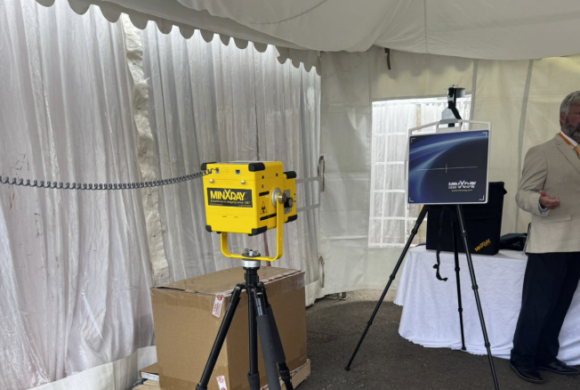
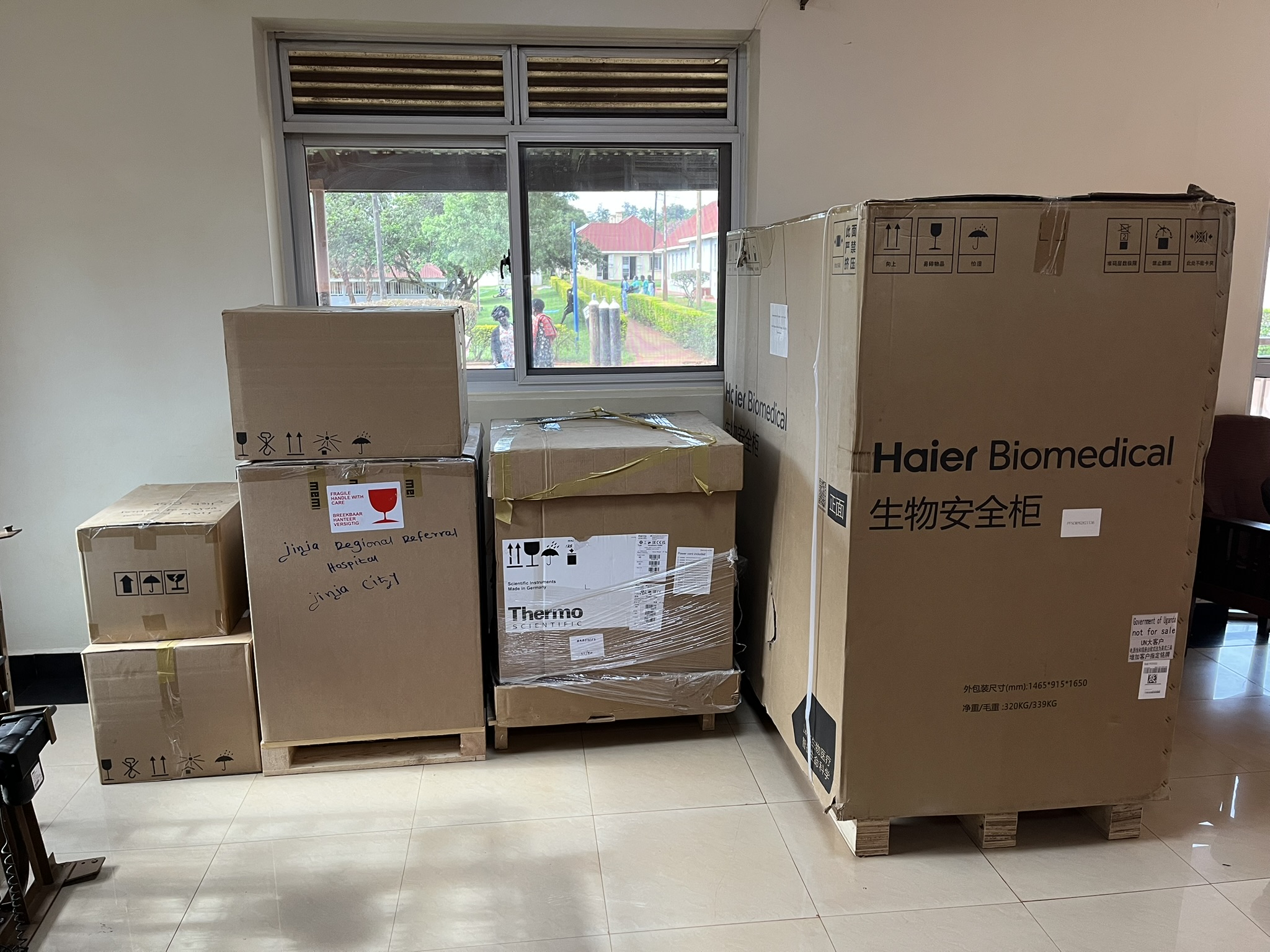
He adds that after tendering price negotiations and contracting, seven suppliers were engaged to manufacture and supply equipment, including microscopes, laboratory refrigerators, blood bank refrigerators, centrifuges, microcentrifuges, biosafety cabinets, vortex mixers, hot air ovens, and aerobic incubators.
“While procurement was underway, PFSCM also turned to transport planning to consolidate shipments, structure distribution strategically, and tailor logistics solutions to each facility’s realities.”
Berndt elaborates on the supply chain planning, saying products were sourced from China, Europe, the United Kingdom, the United States, and South Africa, with nine international ocean and air shipments coordinated between April and October 2025.
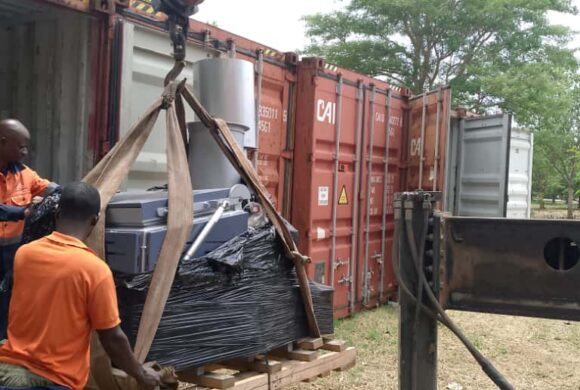
“Five ocean consignments entered at the Port of Mombasa before undergoing customs clearance and cross-border overland transport, and four air shipments arrived via Entebbe International Airport and were cleared before onward transportation.”
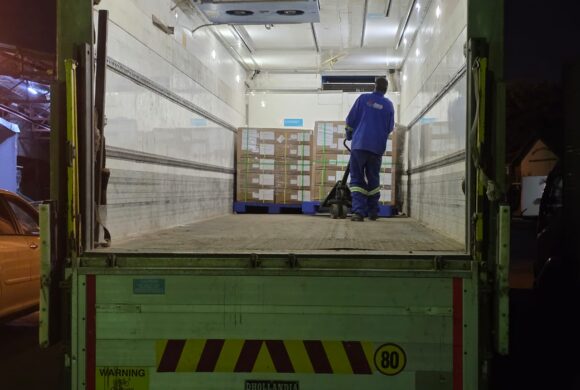
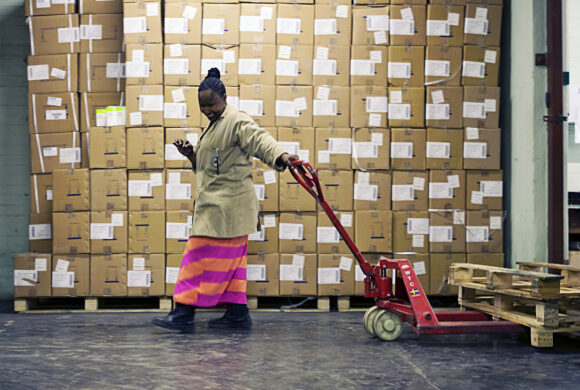
In addition, he explains that given budget constraints and the complexity of delivering to more than 500 geographically dispersed installation sites, PFSCM and its logistics partners consolidated all shipments at a bonded warehouse in Uganda before initiating nationwide distribution.
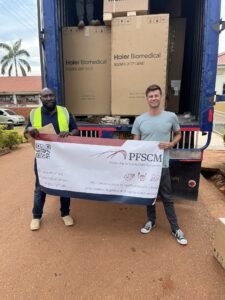
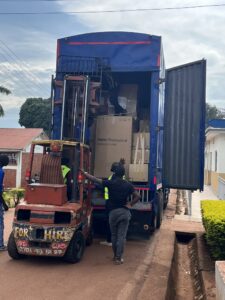
At the warehouse, equipment was grouped and labeled by region and facility, enabling structured downstream delivery. Final-mile distribution required tailored logistics solutions, including the use of forklifts to offload equipment at facilities with limited truck access.
“Navigating global sourcing complexities, budget constraints, and challenging last-mile conditions required precision, collaboration, and commitment at every stage,” notes Berndt.
Meanwhile, PFSCM Logistics Lead Luan Greeff says the work on the Uganda supply chain project demonstrated PFSCM’s ability to handle complexity at scale while staying accurate and flexible.
“Working with Scan Global Logistics and their in-country partner Freight in Time, we divided diverse shipments into region- and site-specific deliveries, verified receipt of every item, and quickly adjusted to last-minute allocation changes.”
He adds that the project teams were met with warm collaboration from the end users at the receiving sites.
“Even in the most remote areas, where unexpected challenges were common, our team responded with creativity, resilience, and a positive attitude that complemented that of the healthcare workers at the sites.”
Greeff stresses that a significant part of this project’s success stemmed from planning and collaboration among PFSCM, suppliers, Scan Global Logistics, and the Ministry of Health, which began even before any shipments were collected.
“This planning and alignment prepared us for a successful execution.”
Greef and Berndt conclude by agreeing that this initiative demonstrates what is possible when strong partnerships, disciplined supply chain planning, and local coordination come together with a shared purpose.
Strengthening laboratory systems nationwide
The mix of equipment delivered is intended to strengthen the overall laboratory system. The equipment supports:
- Microbiology testing and antimicrobial resistance (AMR) surveillance: Biosafety cabinets, aerobic incubators, hot air ovens, vortex mixers, and microscopes enable bacteriology services, culture and sensitivity testing, and outbreak investigation capacity.
- Blood banking and transfusion services: Blood bank refrigerators, centrifuges, and laboratory refrigerators strengthen storage and component separation capabilities, supporting maternal health, trauma care, and surgical services.
- Viral load (VL), Early Infant Diagnosis (EID), and sample transportation/storage: Centrifuges, biosafety cabinets, vortex mixers, and refrigerators support VL/EID testing, and sample processing and transportation.
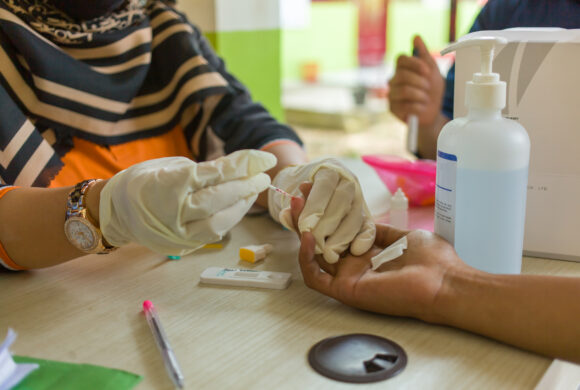
- General clinical diagnostics: Microscopes, microcentrifuges, and refrigeration units support parasitology, smear-based hematology diagnostics, and routine laboratory testing, including reagent and biological sample storage.
While the equipment contributes to the detection of epidemic-prone diseases when paired with molecular platforms, the procurement enables comprehensive laboratory capacity expansion, including infectious disease surveillance and strengthening the transfusion system.
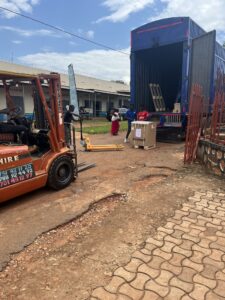
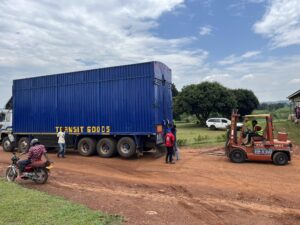
PFSCM continues to use an established bonded warehouse in Uganda. Originally developed in partnership with regional logistics provider Freight in Time, with support from the Global Fund to Fight AIDS, Tuberculosis and Malaria, the 3,000 m², pharma-compliant facility was first established to relieve congestion at the National Medical Stores and reduce costly demurrage and detention charges.
Between 2016 and 2021, the warehouse helped avert an estimated portion of up to $3 million in potential demurrage costs while safeguarding product integrity through implementation of current Good Distribution Practices (cGDP).
Licensed by Uganda’s National Drug Authority and overseen by a registered pharmacist, the temperature-controlled facility provides 24-hour armed security and operates under standardized procedures with automated inbound and outbound tracking.
The warehouse remains a critical consolidation and coordination point for large-scale health commodity shipments entering Uganda, enabling efficient national distribution and improved visibility across the supply chain.