The Partnership for Supply Chain Management (PFSCM) worked closely with supply chain partners to help Mali adapt a large syringe procurement, ensuring immediate needs were met while preserving the cost and environmental advantages of ocean freight for the majority of the order.
Early in 2025, as Mali was finalizing a substantial syringe order from China, originally planned for ocean shipment, it became clear that demand was more urgent than anticipated. The long ocean lead times could impact inventory, requiring a rapid reassessment of procurement and transportation options.
“Syringes ordered in large quantities are typically best suited for ocean freight, which is both more affordable and environmentally friendly,” said Massimiliano Berti, Senior Logistics Specialist at PFSCM.
“While lightweight, these products are high in volume and require only ambient storage, making ocean transport the logical choice whenever timelines allow.”
PFSCM evaluated multiple scenarios, including shipping the full order by air or splitting the shipment between air and ocean freight. Complicating the situation were production lead times, as the original plan assumed standard manufacturing and ocean transit schedules. With demand accelerating, PFSCM needed to identify available stock while maintaining progress on the larger order.
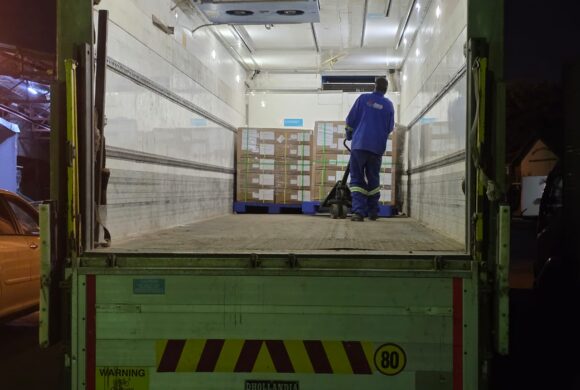
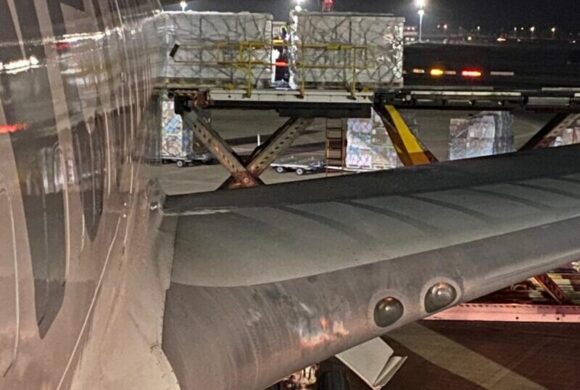
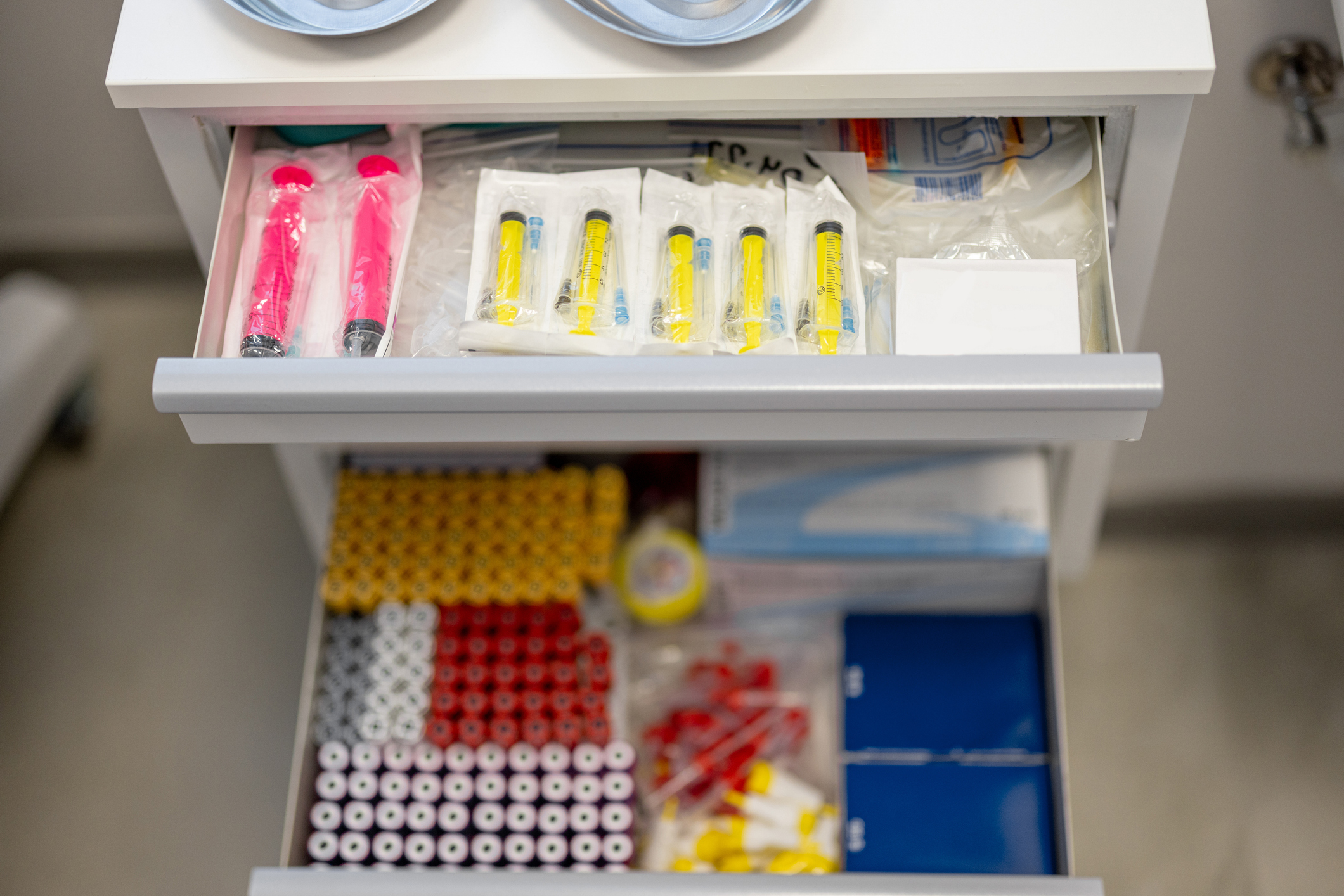
Following extensive discussions, the supplier identified a limited quantity of available stock from its facilities in the United Kingdom. PFSCM promptly secured the inventory of 16,000 syringes and arranged for air transport to Mali, addressing the immediate need while allowing the bulk of the order to proceed via ocean freight as originally intended.
PFSCM also worked swiftly to amend the order and update all related documentation and system records. The supplier provided revised shipping documents within just two days. By leveraging direct airport release procedures in Mali, the urgent shipment was delivered in less than one month — a notable achievement given that waiver processing for health products procured with donated funds alone can take about one month.
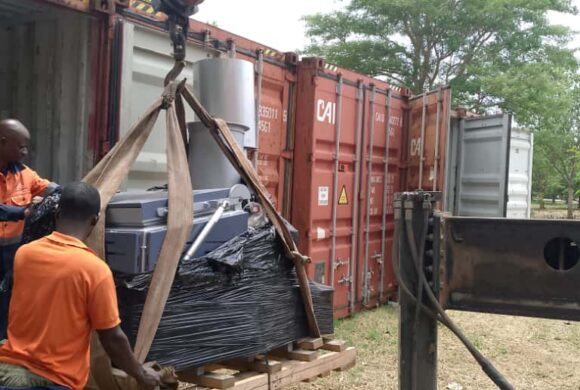
With the urgent stock delivered, PFSCM turned its attention to the ocean shipment. In collaboration with one of our logistics service providers, PFSCM reassessed routing options in light of seasonal and regional challenges. Ocean shipments destined for Mali commonly enter through Dakar, Senegal, before being trucked onward to Bamako.
However, during Q4 2025 and early 2026, the rainy season significantly affected road conditions, driving up freight costs and compounding security considerations.
To mitigate these risks, containers were rerouted through the port of Abidjan, Côte d’Ivoire, utilizing the Bamako corridor. The overland journey included customs clearance at the border and additional checkpoints prior to final delivery.
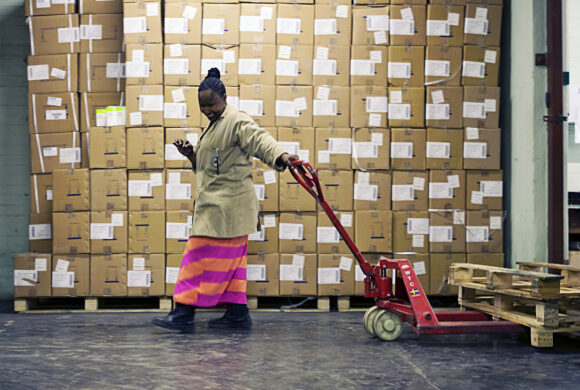
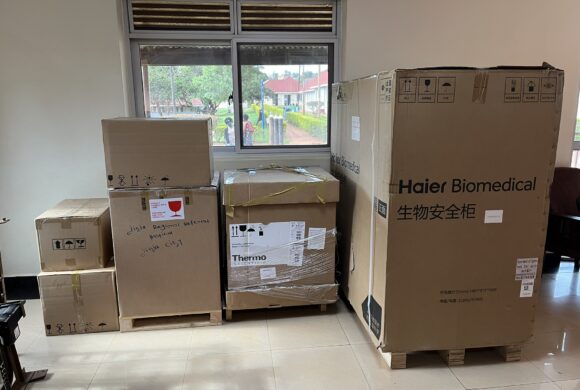
Several containers of syringes arrived in Mali in February 2026, ensuring a sustained supply while maintaining cost efficiency and reducing the environmental impact associated with large-scale air freight.
Reflecting on the operation, Berti emphasized the importance of flexibility and proactive planning.
“By combining rapid response for urgent needs with careful optimization of the larger shipment, we were able to protect both supply continuity and cost efficiency,” he said.