
In 2025, the Partnership for Supply Chain Management (PFSCM) oversaw the entire supply chain for a large-scale shipment of HIV self-test kits from China to Tanzania, overcoming fluctuating client requirements and significant upstream and in-country disruptions without delays or additional costs.
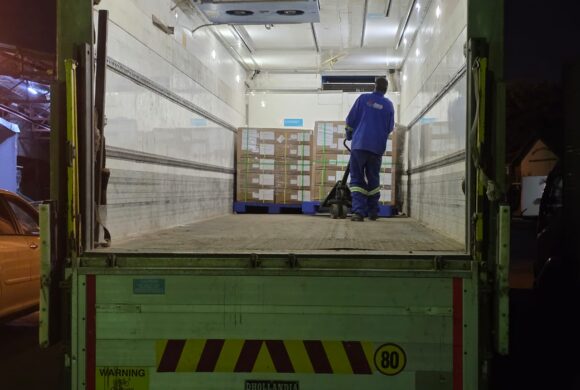
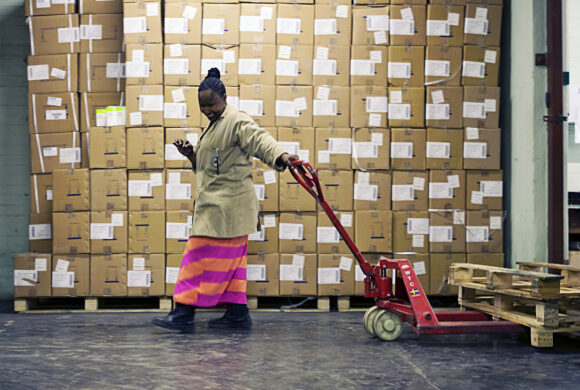
Working in close coordination with logistics partner Logenix International, we successfully delivered 10 40-foot refrigerated containers valued at nearly $1 million to Dar es Salaam in support of Tanzania’s HIV response efforts.
PFSCM Logistics Specialist Victerva Araya-Hunt says the operation began with navigating the buyer’s changing order requirements.
“The operation began with PFSCM supporting the recipient country with inventory flow planning and consideration to ensure the volume of products is appropriate to be effectively received and consumed.”
Thereafter, PFSCM encountered unexpected manufacturing and shipping delays due to China’s National Day Golden Week, a nationwide holiday that temporarily slows production and port operations.
“Cargo readiness was pushed back, requiring rapid adjustments to preserve the original delivery timeline,” notes Araya-Hunt.
She explains that PFSCM and Logenix International mitigated potential downstream impacts by securing vessel space in advance, maintaining close coordination with the shipper and carriers, and intensifying shipment monitoring to prevent cost escalations.
Further, while the shipment was en route, Tanzania experienced post-election political unrest, including widespread disruptions and a national internet shutdown. The situation contributed to port congestion and created significant challenges for obtaining the required permits and exemptions necessary for customs clearance at the Port of Dar es Salaam.
In response, PFSCM and Logenix activated a dedicated in-country task group and relied on established local partnerships to maintain operational continuity. With digital systems intermittently unavailable, teams shifted to manual coordination and direct engagement with clearing agents and authorities to ensure documentation was secured ahead of vessel arrival.
“Increased communication and pre-clearance preparation enabled the first five containers to be cleared and delivered within one day of discharge, with the remaining containers delivered within the agreed delivery window.”
Despite compounded challenges of manufacturing delays, political instability, internet blackouts, and port congestion, the shipment was delivered on time, within the agreed schedule established months earlier, and without incurring additional costs, Araya-Hunt concluded.