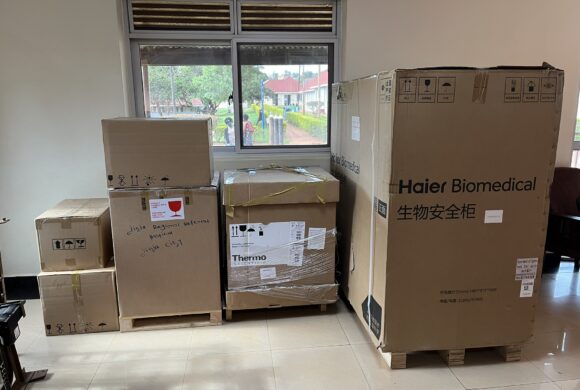

In 2026, the Partnership for Supply Chain Management (PFSCM) completed one of its largest diagnostic deployments in Nigeria, coordinating the end-to-end procurement and delivery of 333 molecular TB testing platforms and 370 portable digital X-ray systems with CAD-AI software valued at more than $37 million across two major requisitions.
The equipment, delivered in 29 shipments between 2024 and 2025, reached more than 300 testing facilities and placed portable digital X-ray systems across all six of Nigeria’s geopolitical zones, including communities that have historically had limited access to diagnostic services.
PFSCM Logistics Lead Hanne Lammassaari explains that PFSCM oversaw the nationwide rollouts from start to finish, including extensive sourcing, supplier contracting and management, procurement, transport planning, upstream and downstream oversight, regulatory and importation supervision, and in-country client coordination.
At the start of the project, PFSCM undertook extensive sourcing and procurement activities.
“We identified quality-assured suppliers and products, negotiated volumes and prices, and eventually onboarded and collaborated closely with our suppliers throughout the whole process, endowing them with knowledge about the unique public health landscape in which we operate with our clients.”

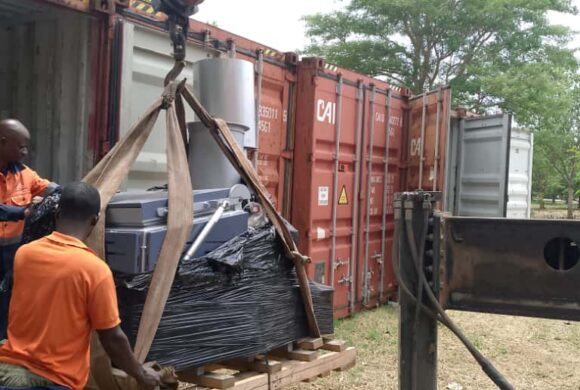
Further, PFSCM coordinated logistics across a mix of air and ocean freight, with diagnostic equipment originating from India, the Netherlands, the United States, and the UAE.
“Consignments were delivered in a staggered manner to the airport or seaport to accommodate site readiness and receiving capacity, after which the in-country client coordinated the onward delivery to a central warehouse, and subsequently to health facilities and other sites.”
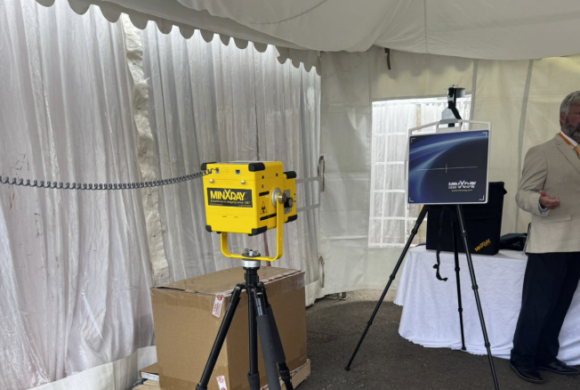
Lammassaari adds that for the delivery of the molecular diagnostics, PFSCM did load optimization and enlisted two small charters to move tens of thousands of products, which included the hundreds of micro polymerase chain reaction (PCR) analyzers, and chip-based real-time PCR tests, sample pretreatment packs, amplification reagents, control kits, sample preparation kits, field cases, and solar panels (hazardous goods).
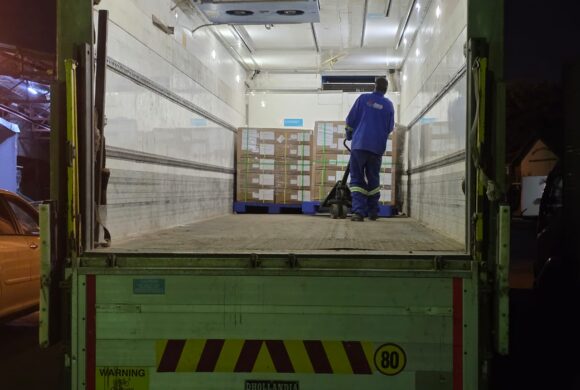
“Working with the supplier, we tested double stacking to optimize the loading of the pallets and make the best use of the paid-for cargo space.
“The pallet optimization reduced the initial shipping load from 581 to 525 pallets, or 696 m3 to 529 m3, saving space, trips, and money.”
In addition, the cold chain consumables, such as reagents for molecular diagnostic devices, are still being continuously supplied to sustain decentralized testing services.
Lammassaari adds that supply chain management for the digital portable X-ray systems brought its own complexity, as PFSCM coordinated multiple orders across three suppliers and oversaw 11 delivery batches managed by several freight forwarders.
“”Over nearly two years, we oversaw a combination of ocean and air shipments, with varying Incoterms and freight forwarders, ensuring equipment arrived when and where the clients needed them in a cost-efficient manner.”
Meanwhile, PFSCM’s Strategic Advisor, Supply Chain & Country Projects in Nigeria, Dr. Sunday Augora, supported the in-country clients and end users throughout clearance and delivery, ensuring issues were resolved quickly, and momentum was maintained.
Lammassaari concludes that this end-to-end supply chain effort and deployment show what is possible when national leadership and supply chain expertise work together.
“Getting the right diagnostics to the right facilities is how we turn funding into lives saved.”
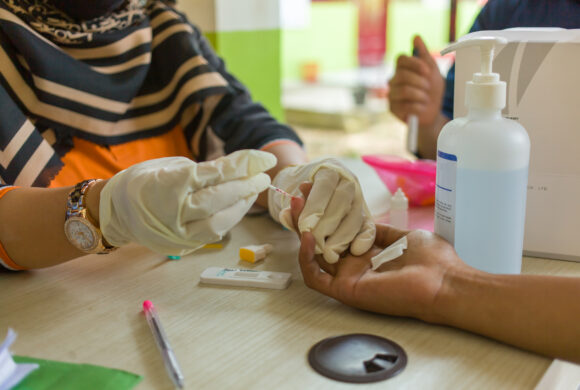
Aligning with the World Health Organization End TB Strategy, the initiative demonstrates the critical role of coordinated supply chains in accelerating progress toward eliminating tuberculosis as a public health threat; specifically, by deploying molecular platforms to enable rapid TB detection and drug-resistance testing in decentralized settings for faster diagnosis and earlier access to treatment, and X-ray systems, supported by AI-enabled diagnostic software, to facilitate TB screening at both the facility and community level.