As countries continue strengthening pandemic preparedness and environmental health safeguards, effective healthcare waste management has become a critical component of national health responses.
Without safe disposal systems, infectious materials, sharps, and hazardous waste can contribute to disease transmission, environmental contamination, and occupational risks for health workers1.
In just more than a year, the Partnership for Supply Chain Management (PFSCM) delivered 45 large-scale waste management systems valued at about $16 million across ten countries: Burkina Faso, Central African Republic, Cameroon, eSwatini, Liberia, Madagascar, Mali, Niger, Togo, and Zambia.
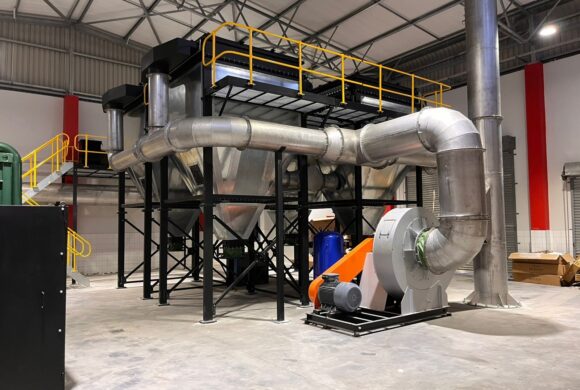
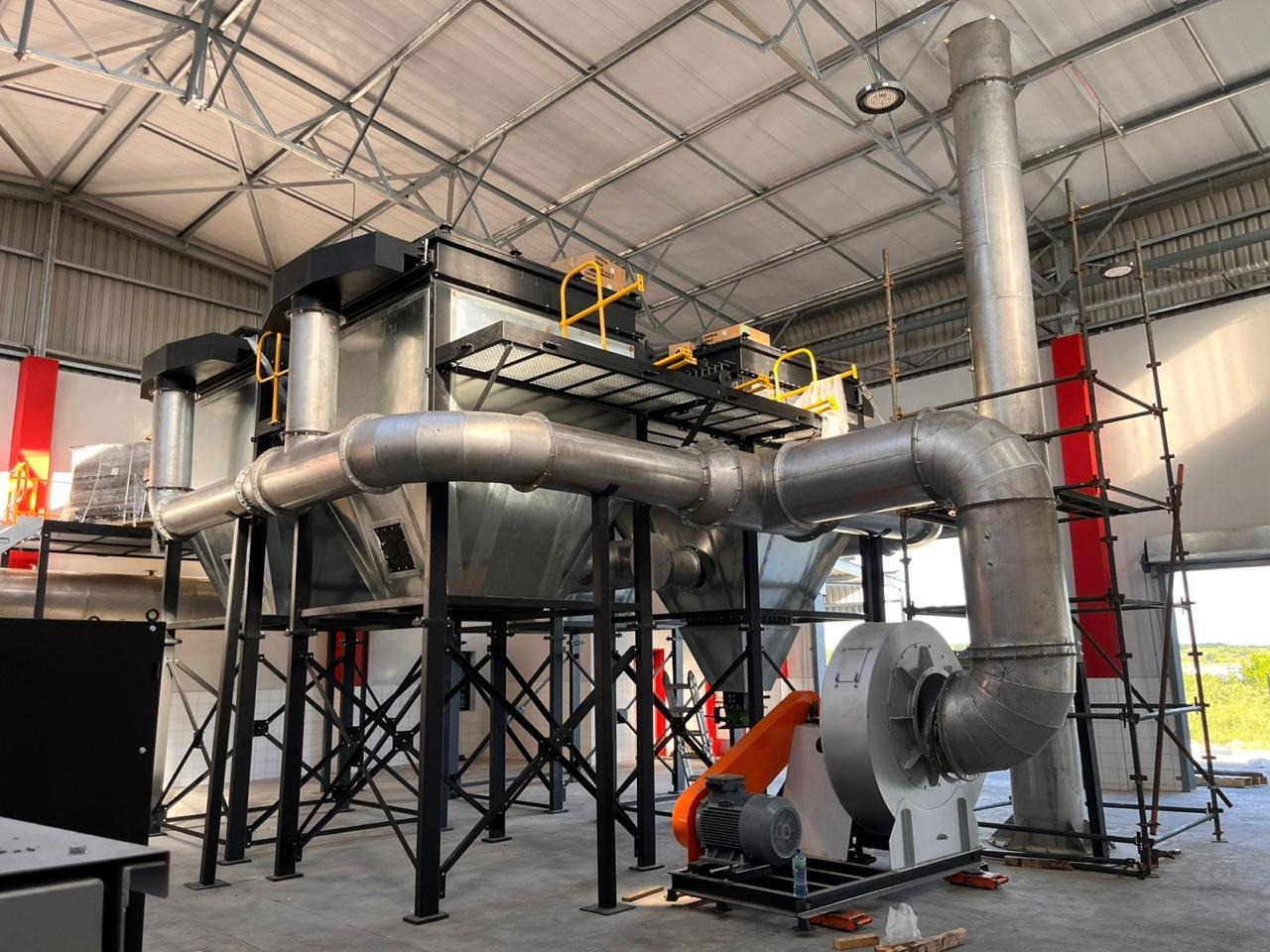
Systems delivered included a diverse range of incineration technologies, from modular containerized units requiring minimal site preparation to large-scale systems with advanced emissions control mechanisms, including wet and dry scrubbers. Installations ranged from two systems in Mali to 20 units in Zambia, reflecting country-specific needs assessments and infrastructure planning.
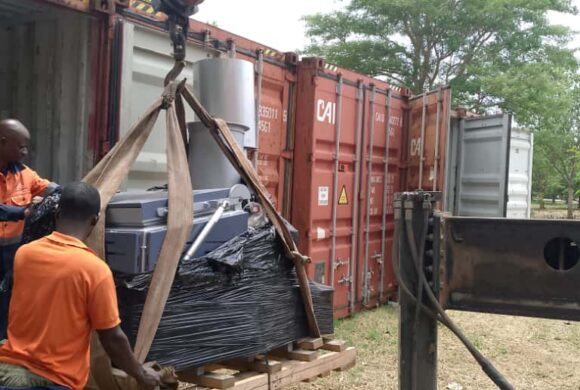
The deliveries, representing nearly 100 shipping containers of equipment, mark one of the most complex project-based procurement efforts in PFSCM’s portfolio.
PFSCM Procurement Projects Manager Nick Berndt says waste management equipment is not just a simple purchase, but rather an integrated infrastructure investments that directly support safer health systems.
“Each installation requires coordination of civil works, environmental compliance, site preparation, installation, commissioning, and operator training.”
Further, he explains that site readiness is a recurring challenge that needs to be carefully managed across projects.
“Funding and procurement timelines do not always align with construction progress, and waiting for full site completion risks losing time-sensitive funding.”
He notes that drawing on lessons from prior capital equipment rollouts, PFSCM proactively mitigated risks.
“Working with suppliers, our teams conducted site assessments and readiness evaluations early, negotiated warranty start dates tied to installation rather than delivery, and built warehousing, containerization, insurance, and multiple onloading and offloading activities into project budgets.”
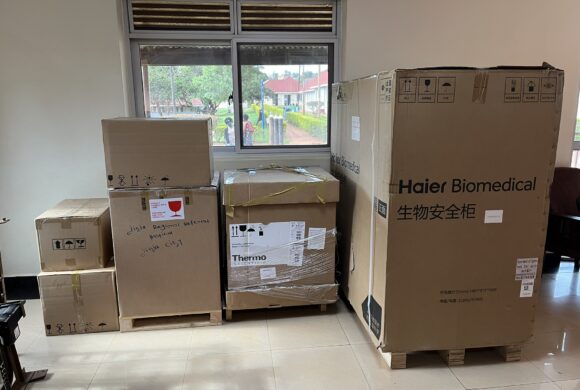
Berndt adds that secure storage solutions were arranged in-country when sites were not ready to receive equipment, protecting both assets and investments.
In addition, PFSCM planned for the likely scenario rather than the ideal one and, by budgeting upfront for storage, multiple handling, and supplier site visits, avoided costly disruptions later.
“We worked closely with suppliers, in-country clients, and logistics service providers to synchronize production schedules, transportation plans, customs clearance, and inland distribution.
“Weekly cross-stakeholder coordination calls ensured transparency and accountability across teams.”
Beyond delivery, planning includes warranty coordination, installation oversight, training, spare parts planning, and long-term supply chain linkage to ensure sustainability after commissioning, concludes Berndt.
Meanwhile, installations are ongoing, with completion expected in 2026.

PFSCM oversees the end-to-end sourcing and procurement for healthcare waste management systems, combining deep market intelligence, technical expertise, and coordinated stakeholder engagement. PFSCM begins by conducting market assessments and end-user needs analyses to understand the requirements of national health programs, ministries of health, and implementing partners responsible for infection prevention and control and environmental health. These assessments help determine the most appropriate healthcare waste management solutions, ensuring that selected systems are fit-for-purpose, environmentally responsible, and aligned with national policies and program goals.
Based on these requirements, PFSCM navigates global and regional markets for waste management technologies and services, identifying and vetting qualified manufacturers and service providers. PFSCM also supports technical quality assurance for waste management systems, ensuring that procured equipment meets environmental standards, national requirements, and international guidelines for safe treatment and disposal of infectious healthcare waste.
Building on this foundation, PFSCM manages the full procurement lifecycle from competitive tendering and quotation analysis to contract negotiation, transaction management, order placement, and coordination of equipment readiness and shipment.
PFSCM coordinates complex, multi-stakeholder implementation efforts with donors, technology providers, engineering partners, logistics providers, and recipient countries to ensure that waste management systems are appropriately specified, procured, delivered, and ready for installation and operation. Close collaboration with ministries of health and implementing partners ensures that site readiness, infrastructure requirements, training needs, and regulatory documentation are addressed in parallel with procurement.
By overseeing this end-to-end process and aligning the needs of diverse stakeholders, PFSCM helps countries strengthen safe healthcare waste management systems, ensuring that appropriate technologies and equipment are delivered on time, installed effectively, and capable of supporting sustainable public health outcomes.