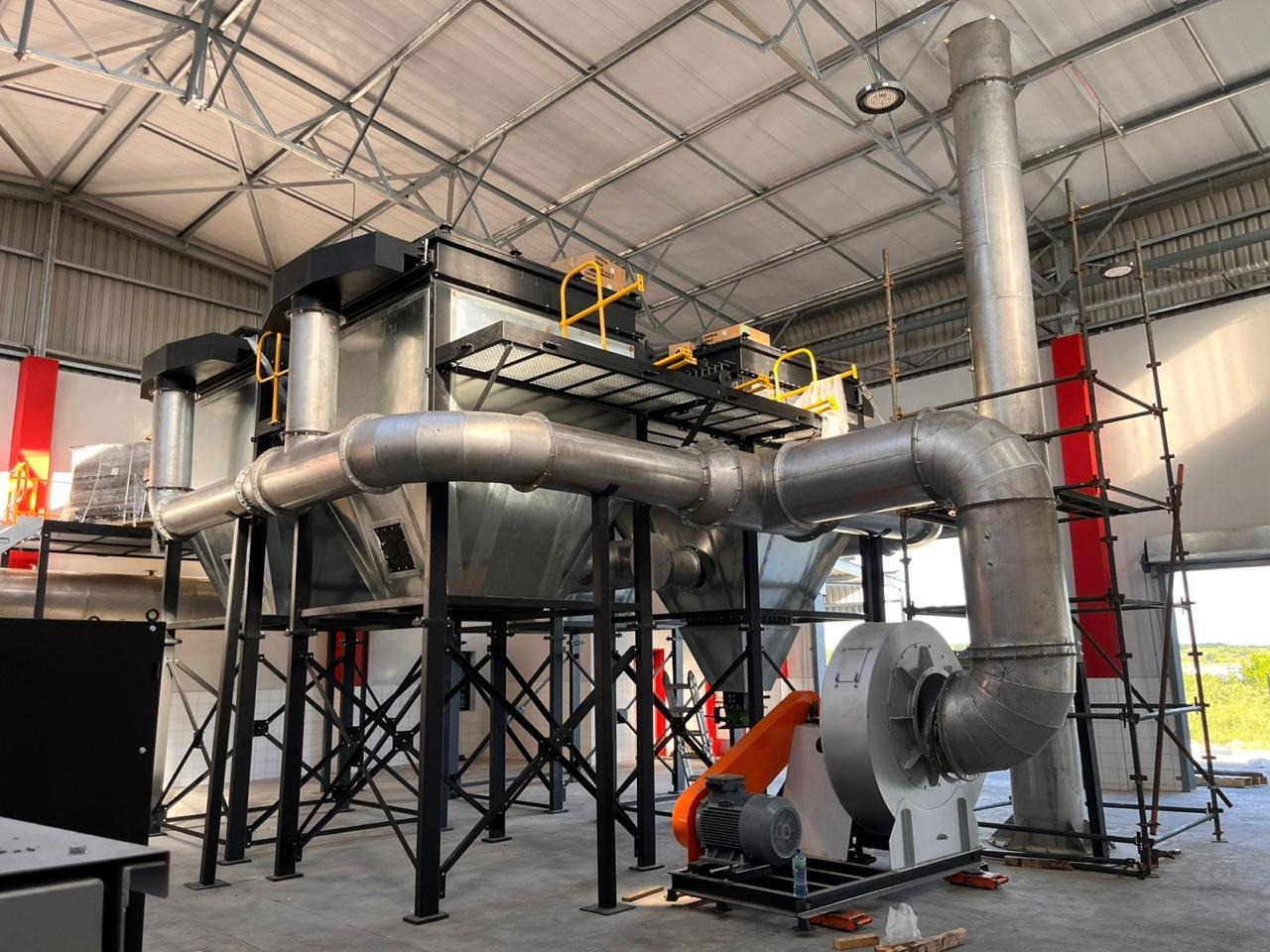
The Partnership for Supply Chain Management (PFSCM) collaborated with global manufacturer and provider of incineration systems for waste management, Inciner8, to procure, deliver, and install more than 30 incineration systems across Burkina Faso, Madagascar, Mali, and Zambia, expanding national capacity for safe healthcare waste disposal.
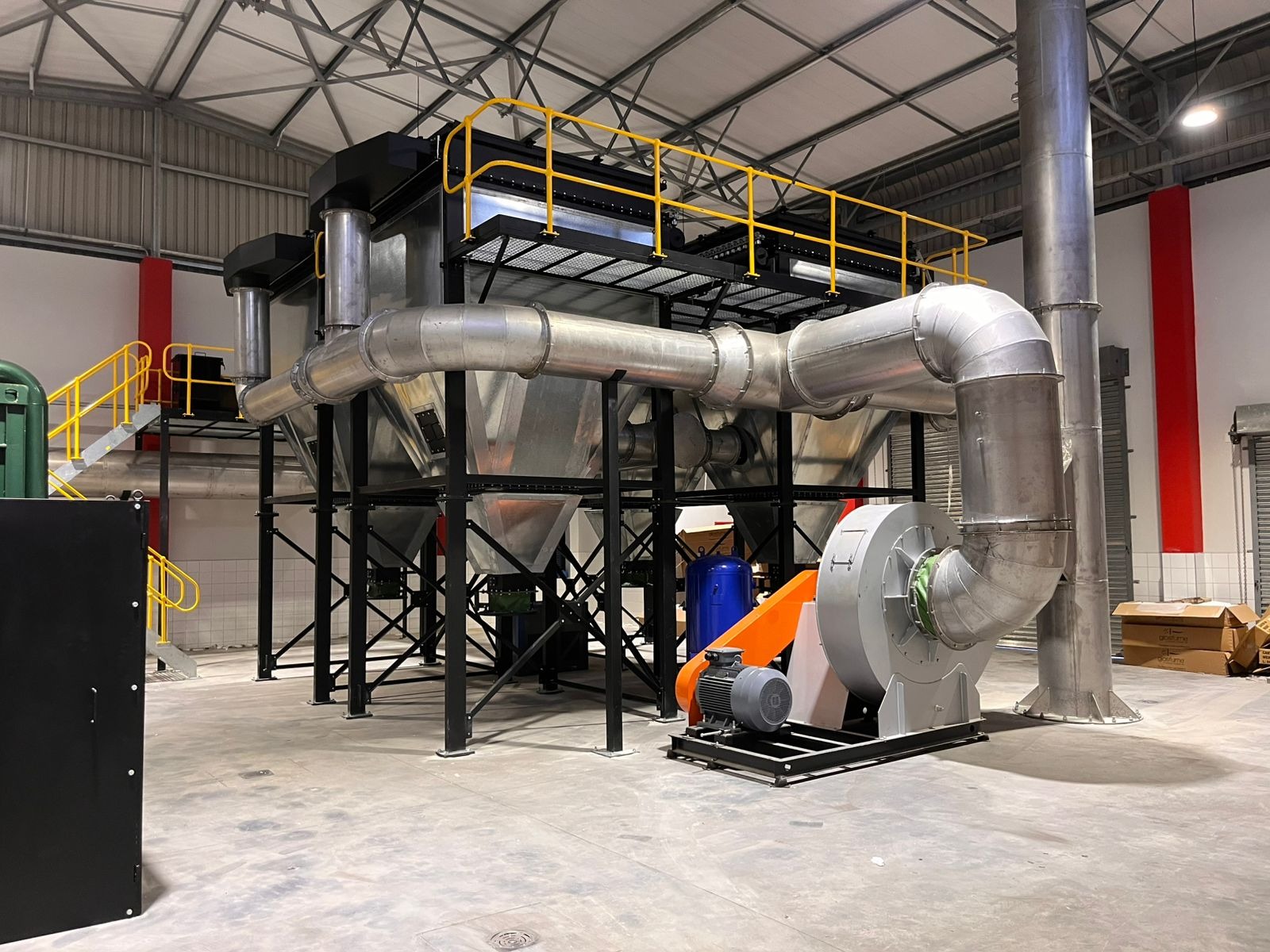
The deliveries included M40, M70, and M200 models tailored to varying throughput requirements and site conditions. Zambia received 20 M40 incinerators to support decentralized health facilities, while Burkina Faso received five systems.
Madagascar received five M200 systems, and Mali two M70 in containerized configurations designed for mobility and simplified installation. The systems for these two countries included scrubbers to help reduce air pollution.
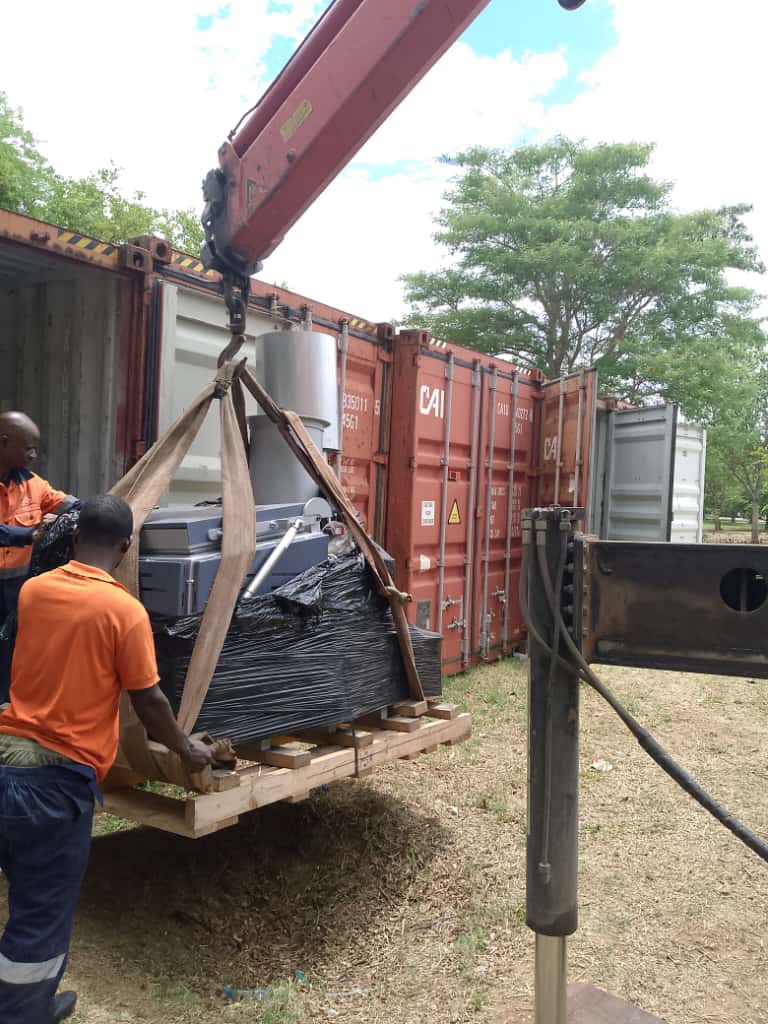
The containerized systems delivered to Mali represent a particularly flexible solution.


PFSCM Procurement Projects Manager Nick Bernt explains these that containerized waste management systems are fully integrated within shipping containers, featuring built-in electrical systems and the flexibility to be relocated as needed, while significantly reducing site preparation requirements, making them a practical alternative in contexts where civil works capacity or timelines are constrained.
“These systems enable countries to deploy critical waste management capacity rapidly, even as longer-term infrastructure continues to be developed.”
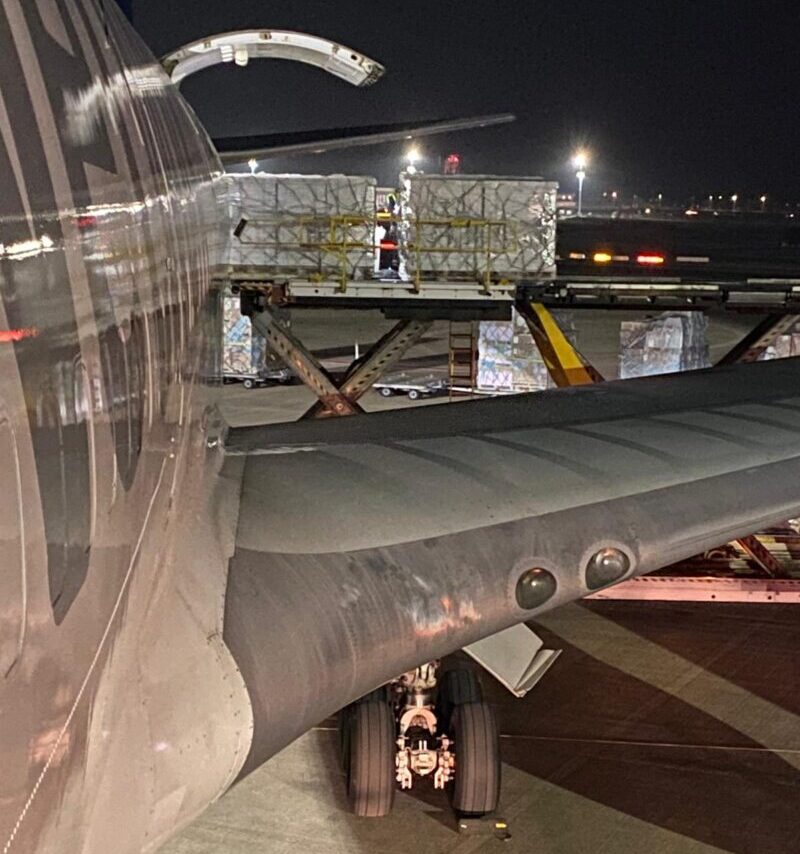
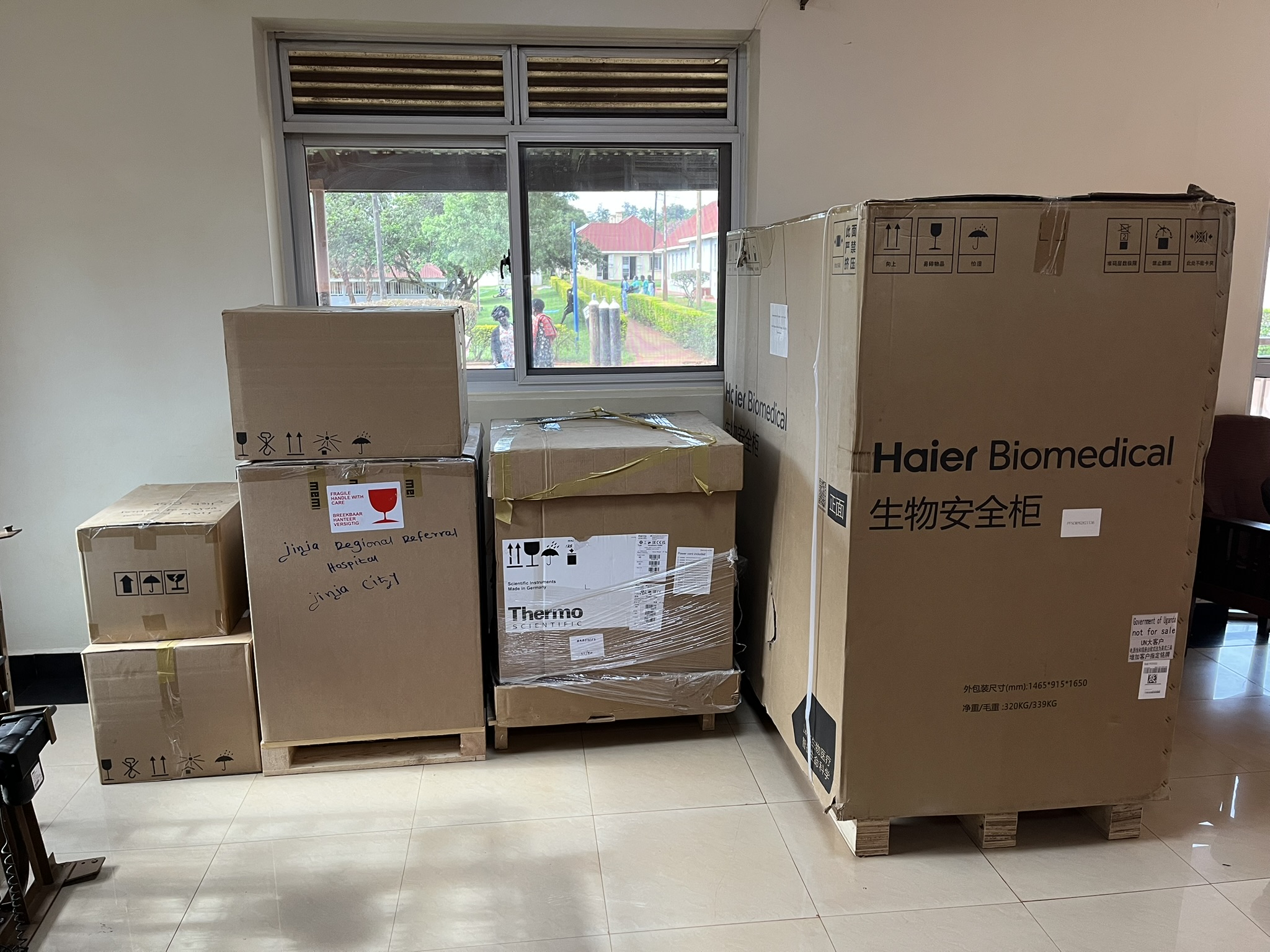
Further, across all deliveries, PFSCM helped manage storage, freight coordination, customs clearance, and inland distribution in collaboration with logistics partners.
“Given that many sites were still under construction at the time of shipment, we incorporated storage planning, insurance coverage, and multiple handling activities into project budgets,” notes Berndt.
He adds that warranty coordination was structured to align with installation timelines, and supplier site visits were included where feasible to support readiness assessments and installation planning.
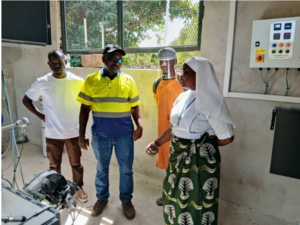
Meanwhile, prefabricated shelters were also procured at certain locations to protect equipment and ensure proper operational conditions upon commissioning.
“The scale of the operation was substantial, with dozens of containers shipped across multiple countries within compressed timelines, and despite the complexity, coordinated planning across our teams and stakeholders enabled synchronized execution.”
Berdnt concludes that once operational, the systems will provide safer, emission-controlled treatment of infectious waste, supporting broader health security and environmental protection objectives.
Installation and training activities are ongoing and expected to continue into early 2026.