The Partnership for Supply Chain Management (PFSCM) has successfully supported the first country implementations of the Pluslife near point-of-care (nPOC) molecular tuberculosis (TB) diagnostic platform in Benin, Uganda,and Zambia marking an important milestone in introducing the technology into national TB programs.
Benin, Uganda, and Zambia are the first countries to receive the platform through an early implementation program that will support rollout across 13 countries. The first country implementations represent the successful transition from supply chain readiness to implementation following months of coordination across sourcing, quality assurance, logistics, supplier engagement, and country planning.

PFSCM Senior Procurement and Client Services Manager Vesna Petrakovic says introducing an innovative diagnostic platform requires careful coordination across every stage of implementation.
“Successfully introducing an innovative diagnostic platform requires every part of the implementation pathway to come together, from supplier readiness and logistics to country coordination and training.
“These first deliveries demonstrate the value of that preparation and provide a strong foundation for future country rollouts.”
Ahead of the first country implementations, PFSCM coordinated supplier onboarding, operational readiness, documentation review, shipment planning, logistics coordination, and implementation planning to help ensure countries received complete implementation solutions rather than standalone diagnostic instruments.
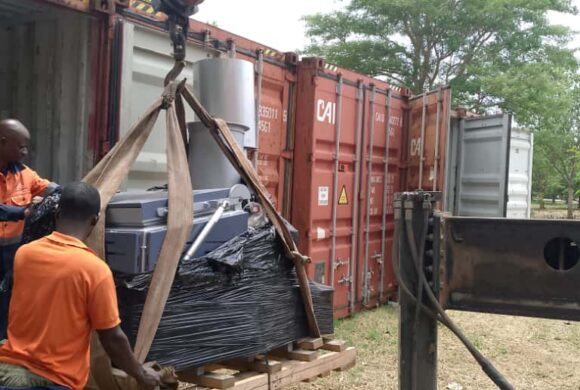
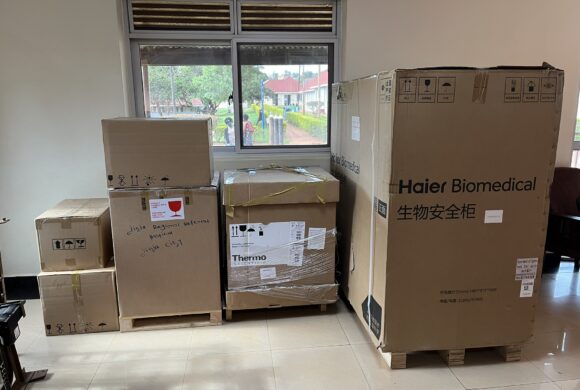
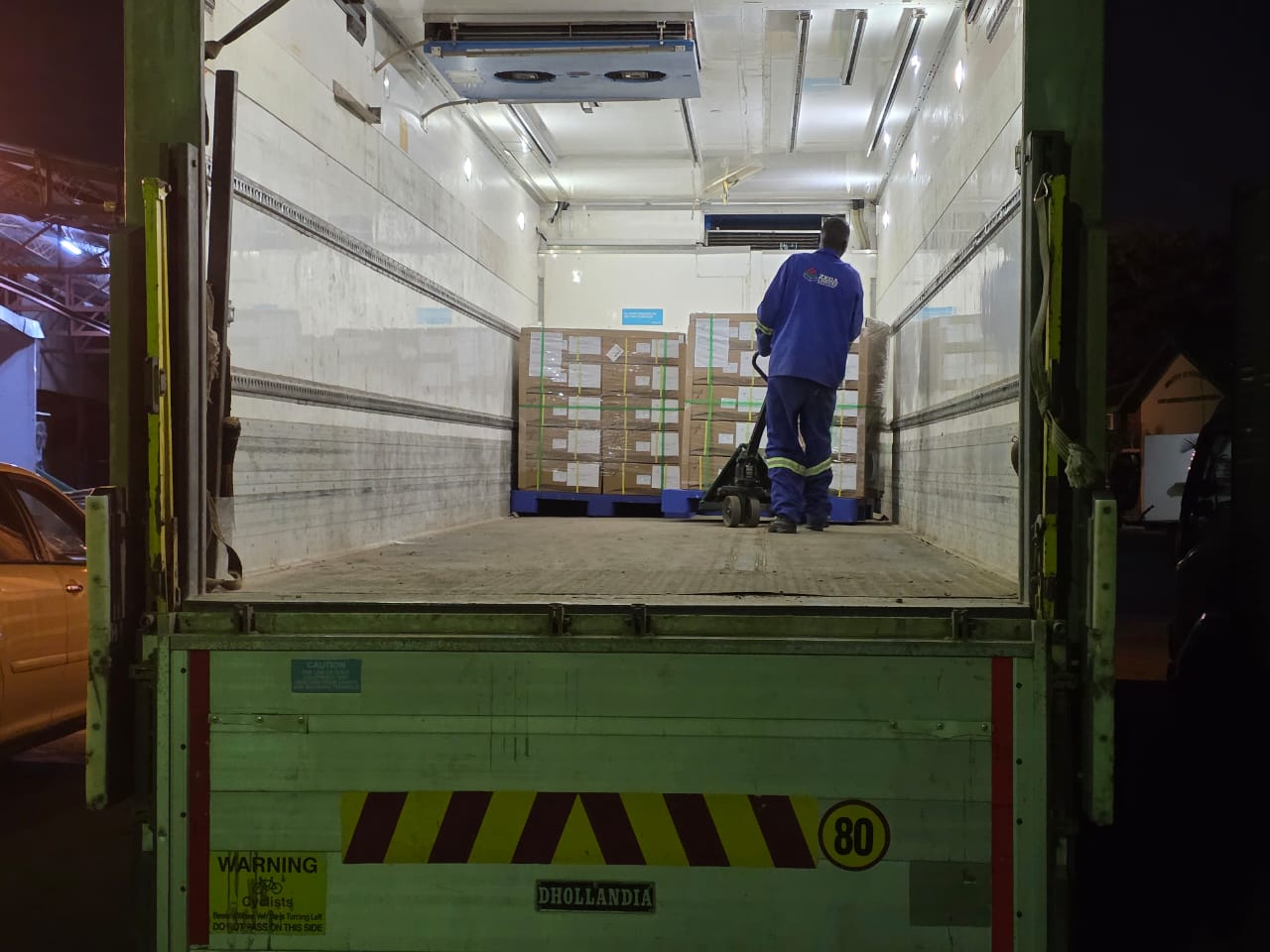
In Benin, equipment and supplies were delivered for deployment across multiple implementation sites, while in Uganda, systems were delivered to the national central warehouse for distribution to more than 200 health facilities. In Zambia, PFSCM coordinated the delivery of more than 100 PlusLife MiniDock systems, supporting equipment, controls and several thousand TB tests.


All country deliveries were completed using temperature-controlled commercial air-freight.
PFSCM Logistics Manager Elena Feldsherova says detailed planning before the first shipments left the supplier was essential to supporting successful country implementation.
“These first deployments required detailed shipment planning, documentation, supplier readiness, transport optimization, and close coordination across multiple stakeholders.
“That preparation helped ensure the products moved efficiently through the international supply chain and reached countries ready for implementation.”
Close coordination between PFSCM, suppliers, logistics providers, and country stakeholders also helped streamline importation processes.
In Benin, the import waiver was secured significantly faster than the typical process, with customs clearance and delivery completed within a day of arrival. In Uganda, the shipment arrived shortly after approval to proceed, with clearance and delivery to the national central warehouse completed within a few days. In Zambia, PFSCM similarly expedited the import waiver process and ensured rapid customs clearance and final delivery following arrival at the airport. Across all three countries, streamlined coordination helped reduce importation delays and move critical TB diagnostic equipment into the health system quickly.
Meanwhile, training for the Pluslife platform is tailored to each country’s rollout strategy. Depending on program needs, training may be provided on-site or through regional group sessions, with laboratory personnel and designated super users participating to support ongoing implementation.
The first country implementations provide an important foundation for rollout across the remaining participating countries.
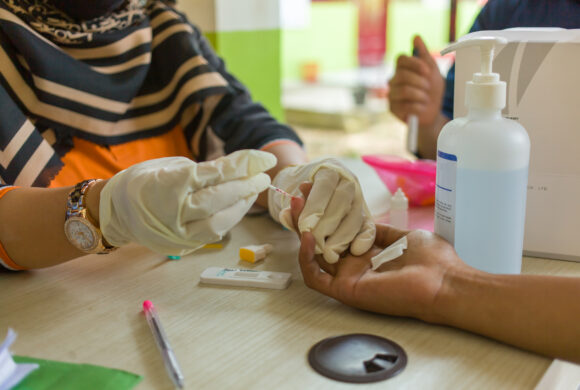
As countries prepare to expand access to molecular TB testing, near point-of-care platforms have the potential to bring high-quality diagnostics closer to patients through primary healthcare facilities and community settings. By supporting the successful introduction of these technologies through integrated procurement, logistics, quality assurance, and implementation services, PFSCM is helping strengthen diagnostic networks and improve access to timely TB diagnosis where it is needed most.