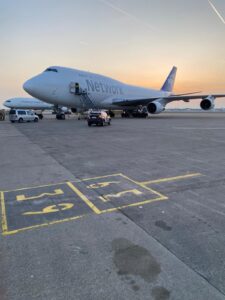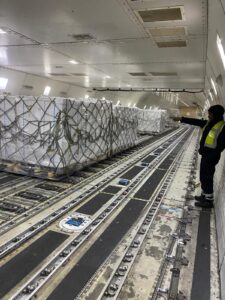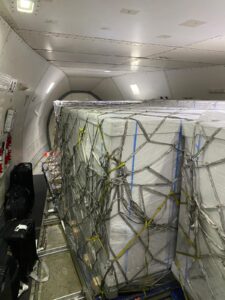
The Partnership for Supply Chain Management and its logistics services partner, CFI Logistics, a Logisteed company, recently navigated a complex geopolitical challenge to ensure the integrity and delivery of a critical frozen shipment of HIV assays destined for Lilongwe, Malawi, via Dubai, in the United Arab Emirates.
At the end of February 2026, PFSCM was alerted that a shipment of frozen HIV test kits valued at more than $700,000 was unexpectedly put on hold in the Netherlands, where it was about to depart for Dubai. Given the frozen nature of the products, maintaining the cold chain and securing an alternative route and transportation were PFSCM’s absolute priority from the moment the disruption was identified.
PFSCM Logistics Manager, Elena Feldsherova, explains that in close collaboration with CFI Logistics, PFSCM immediately activated an extensive contingency plan that detailed proactive client communications, entailed re-icing and compliant storage of the products, secured a charter, consolidated more orders for cost efficiency, and arranged trucking to move the cargo from the Netherlands to Belgium, from where the charter would depart.
She says that first, the frozen products had to be safeguarded against the delay by re-icing and storing them at CFI Logistics’s warehouse in Amsterdam.
“We also coordinated with the supplier’s Quality Assurance department to ensure the warehouse and storage options met all required specifications for the frozen goods, thereby preventing product stability from being compromised.”
Feldsherova notes that CFI Logistics’s warehouse is GDP-compliant and holds various ISO and other certifications, specializing in cold chain and pharmaceutical products.
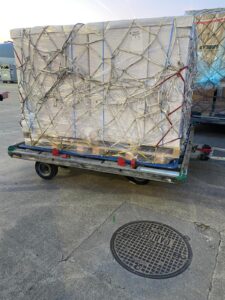
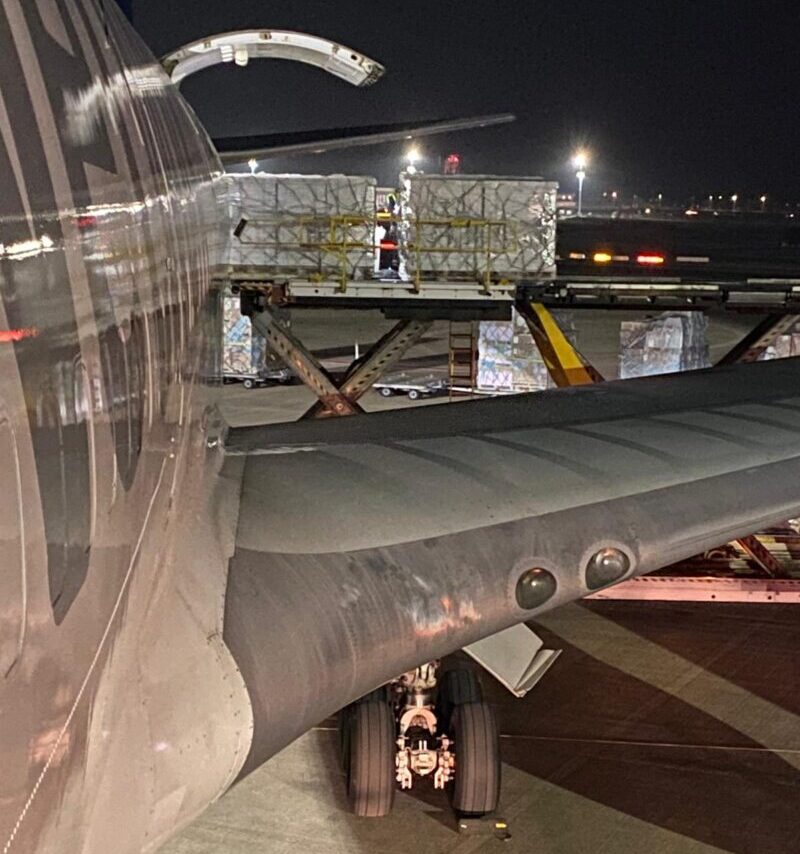
Further, PFSCM and CFI Logistics reworked the transport plan, securing a charter departing from Liege, Belgium, to Lilongwe, Malawi, via Johannesburg, South Africa, and arranging road transportation from Amsterdam to Liege.
“Additionally, to ensure the optimal use of paid-for cargo space, drive cost efficiencies, and reduce the number of trips needed, we simultaneously expedited an extra order for Malawi from Germany to Amsterdam and consolidated with the initial shipment for transport together to Liege.”
Feldsherova reflects on the fragility of health supply chains, noting that what would have been a simple two-day turnaround from Germany to the Netherlands via the UAE to Malawi became an extensive rerouting and client-engagement exercise that took more than a week to complete.
“Despite the delay, the products were safely stored and compliantly transported, and the combined shipment of lifesaving diagnostic assays, totaling nearly $1 million, arrived in Malawi on 9 March 2025.”
Dharampal concludes that the successful outcome was a direct result of transparent and agile collaboration between PFSCM’s internal teams and external stakeholders.
“By working as one with our stakeholders, we were able to protect the product’s integrity and ensure its timely transit despite significant external pressures.”